Category Archives: Uncategorised

Billybets Casino Banku Pakalpojumi un Noguldījumu Limiti Latvijā

Spielen Sie mit Billy Bets: Das beste Online-Casino in Deutschland ...

Nonākot Billybets Casino, jūs nekavējoties iegūstat piekļuvi bagātīgam banku pakalpojumu klāstam. Mūsu svarīgākais uzdevums ir panākt, lai jūsu naudas pārskaitījumi ir ātrumā un absolūti droši. Tā kā laiks ir dārgs, mēs esam atlasījuši daudzveidīgas un modernas metodes, kas būs piemērotas gan profesionāliem spēlētājiem, gan tiem, kas tikai sāk darbību. Šajā detalizētajā pārskatā mēs aplūkosim katru esošo maksājumu veidu, nepārprotami norādīsim depozītu un izmaksu ierobežojumus un dosim praktiskus padomus, lai jūsu spēles būtu vēl jaukākas.

Sākums: Kāda iemesla dēļ Banku Metožu Izvēle Ir Tik Svarīga?

Lai izklaide patiešām būtu priecīga, jums ir nepieciešams parocīgs un izprotams veids, kā ieskaitīt naudu un to izņemt. Billybets Casino ir nolēmis sadarboties ar apstiprinātiem un plaši izplatītiem maksājumu pakalpojumu sniedzējiem. Tie nodrošina tūlītēju apstrādi, augstu drošības līmeni un ērtu lietojamību. Pareiza izvēle liecina, ka jūs pratīsiet pilnībā koncentrēties uz spēlēm, nevis apsvērt par tehniskām detaļām. Pārskatīsim, kas mūsu piedāvājumu padara īpaši izdevīgu un drošu ikvienam klientam.

Primārie Kritēriji Labai Banku Metodei

Pirms apskatām konkrētos maksājumu veidus, ir noderīgi aptvert, pēc kādiem principiem mēs tos atlasām. Mēs gribam jums nodrošināt maksimālu ērtību, tāpēc katru iespēju izvērtējam pēc vairākiem faktoriem. Visi mūsu izvēlētie risinājumi ir uzmanīgi pārbaudīti, lai tie saskanētu pašreizējiem standartiem. Tā mēs varam piedāvāt tikai augstākos variantus, kas funkcionē bez pārtraukumiem.

Ātrums un Efektivitāte

Gaidīšana ir neizdevīga. Tāpēc mēs izvēlamies priekšroku tādām metodēm, kas depozītus apstrādā acumirklī vai dažu minūšu laikā. Tas pats attiecas uz izmaksām. Mēs cenšamies, lai jūsu laimests jūsu kontā nonāktu pēc iespējas ātrāk. Visa mūsu sistēma ir pielāgota ātrai apstrādei, lai jūs tūlīt iegrimtu spēlēs.

Drošība un Uzticamība

Jūsu finansiālā drošība ir mūsu primārais uzdevums. Visi mūsu partneri lieto vadošās šifrēšanas tehnoloģijas un stingrus datu aizsardzības noteikumus. Mēs sadarbojamies tikai ar oficiāli licencētiem pakalpojumu sniedzējiem, kas nodrošina jūsu līdzekļu drošību. Jūsu pilna bankas informācija nekad netiek glabāta mūsu serveros.

Detalizēts Billybets Casino Noguldījumu Metožu Pārbaude

Mūsu noguldījumu klāsts ir sagatavots, pielāgojoties daudzveidīgus spēlētāju prasības. Nav svarīgi, vai jūs lietojat bankas norēķiniem, e-maksām vai kriptovalūtām, mums ir kaut kāds piemērots. Visas veidi ir vienkārši integrētas mūsu platformā. Izpētīsim katru atsevišķi, lai jūs spētu izdarīt informētu izšķiršanos.

Bankas Instrumenti: Klasiskā izvēle, Kāda Nemitīgi Strādā

Bankas kartiņas vēl ir viena visizplatītākajām un drošākajām veidiem. Mēs pieņemam Latvijā un ārvalstīs izdotās VISA un Mastercard norēķinu kartes. Depozīts ar norēķinu karti tiek izpildīts uzreiz, un jūs spējat sākt spēlēt tajā pašā brīdī. Process ir saprotams un zināms, kas ir teicama priekšrocība katram, kas cenšas ātrdarbīgu un pārbaudītu veidu.

Mēs piedāvājam šo metodi pirmreizējiem un cilvēkiem, kam patīk vienkāršība. Jums nepieciešams tikai savu karti un pastāvīgu interneta pieslēgumu. Mūsu vadība jūs virzīs uz drošu maksājumu lapu, kur jāaizpilda prasītā ziņas. Pēc vairākām mirkļiem spēlētāja konts būs aizpildīts, un jūs pratīsiet sākt spēlēt.

E-Makse: Momentums Maksimālajā Pakāpē

E-maksas risinājumi ir īpaši populāri to ātrdarbības un ērtības labad. Billybets Casino sniedz vairākus no lietotākākajiem veidiem, kas garantē ne tikai tūlītēju depozītu, bet arī vienkāršu izmaksu procesu. Šīs veidi laiku pa laikam tiek piedāvātas ar liekiem priekšrocībām, tādi kā, speciāliem bonussiem vai zemākām komisijas nodevām.

Best Online Casino Bonuses - Bonus Codes & Exclusive Offers

  • Trustly: Ļauj veikt tiešus bankas pārskaitījumus bez kartes lietošanas. Tas ir labs risinājums drošiem un straujiem maksājumiem tieši no jūsu bankas konta.
  • Paysafecard: Piedāvā pilnīgu anonimitāti, jo darbojas ar pirkuma kuponiem. Ļoti labi piemērots cilvēkiem, kas vēlas kontrolēt izdevumus un nevēlas dalīties ar bankas datiem.
  • Skrill & Neteller: Pazīstamākie e-maksi, kas darbojas kā digitāli maki. Tie sniedz ātru naudas pārvaldību un bieži tiek izmantoti, lai piekļūtu īpašiem piedāvājumiem.

Virtuālās valūtas: Nākotnes Maksājumi Tagad

Ja jūs vērtējat jaunākās tehnoloģijas un augstu privātuma līmeni, mūsu kriptovalūtu opcijas ir paredzētas tieši jums. Mēs atbalstām vairākas no galvenajām digitālajām valūtām. Tās garantē decentralizētus, ātrus darījumus, kuriem bieži ir zemākas komisijas maksas. Šī ir ideāla izvēle mūsdienīgam spēlētājam.

Depozīts ar kriptovalūtu parasti tiek apstiprināts dažu minūšu laikā. Tas ir atkarīgs no konkrētā tīkla noslodzes. Turklāt ātrumam un drošībai, šī metode dažkārt sniedz pieeju ekskluzīviem kazino piedāvājumiem, kas radīti kripto lietotājiem. Mēs regulāri atjauninām un papildinām atbalstīto valūtu sarakstu.

Padziļināta Izmaksu Metožu Apskats

Laimesta saņemšana ir tikpat svarīga kā depozīta ieskaitīšana. Mēs vēlamies, lai šis process būtu caurskatāms un ērts. Parasti izmaksas tiek novirzītas uz to pašu kontu, no kura tika veikts depozīts. Tas veido papildu drošības līmeni. Katrai metodei ir savs apstrādes periods, par ko mēs paziņojam jau pirms darījuma sākšanas.

Kā Norit Izmaksu Apstrāde?

Viss sākas ar jūsu izmaksas iesniegumu mūsu sistēmā https://billybets-casino.eu/lv-lv/. Mūsu komanda pēc tam veic nepieciešamo verifikāciju, lai pārliecinātos par darījuma likumību. Šo darbību parasti nepieciešams veikt tikai vienu reizi. Kad viss ir apstiprināts, jūsu iesniegums tiek nosūtīts izvēlētajam maksājumu pakalpojumu nodrošinātājam.

  • E-maksa izmaksas: Parasti tiek apstrādātas 24 stundu laikā. Skrill, Neteller un citi analogi pakalpojumi piedāvā ātru līdzekļu izņemšanu.
  • Bankas kartes izmaksas: Var prasīt no 1 līdz 3 banku darba dienām, jo nauda tiek pārvesta starp banku sistēmām.
  • Kriptovalūtu izmaksas: Tiek izpildītas dažu minūšu vai stundu laikā, atkarībā no tīkla. Jūs saņemat naudu tieši savā digitālajā makā.
  • Bankas pārskaitījums: Var aizņemt vairākas darba dienas. Šī metode ir mazāk izplatīta, bet joprojām pieejama.

Noguldījumu ierobežojumi: Kas jums jāzina?

Lai sekmētu atbildīgu spēlēšanu, mēs esam noteikuši skaidrus depozītu ierobežojumus. Tie sekmē jums pārvaldīt savu budžetu. Minimālais depozīts ir ļoti pieejams, lai ikviens varētu uzsākt, bet maksimālie dienas vai mēneša limiti ir iestatīti, ņemot vērā drošību un regulējumu prasības. Šie ierobežojumi var mainīties atkarībā no izvēlētās maksājumu metodes.

Minimālie un Maksimālie Depozīti Katrai Metodei

Katram maksājuma veidam ir savi tehniski ierobežojumi, ko piešķir pakalpojumu sniedzējs. Mēs esam savus limitus pielāgojuši šīm prasībām, vienlaikus mēģinot būt elastīgi pret spēlētājiem. Zemāk ir vispārīgi norādījumi, taču precīzāko informāciju jūs atradīsiet kases sadaļā, izvēloties konkrēto metodi.

Minimālais depozīts bieži sākas no aptuveni 10 EUR. Šāda summa ļauj izmēģināt kazino ar minimālu ieguldījumu. Maksimālie dienas vai mēneša limiti spēj būt daudz augstāki, lai apmierinātu arī pieredzējušāku spēlētāju vajadzības. Iesakām iepazīties ar šiem ierobežojumiem pirms pirmā depozīta, lai izvairītos no negaidītām situācijām.

Kāpēc eksistē Depozītu Limiti?

Limiti ne ir nejauši. Tie ir svarīgs atbildīgas azartspēļu instruments, kas atbalsta jums kontrolēt impulsīvus lēmumus. Papildus tam, tie saskan likumdošanas prasībām un sekmē mūsu partneriem cīnīties ar iespējamu krāpniecību. Mēs domājam, ka saprātīgi ierobežojumi veicina drošāku un veselīgāku spēles vidi visiem klientiem.

Naudas izņemšanas Limiti un To

Līdzīgi kā depozītiem, arī izmaksām ir konkrēti ierobežojumi. Šos limitus nosaka drošības apsvērumi un vairāku maksājumu sistēmu iespējas. Zemākā izmaksas summa bieži ir līdzīga minimālajam depozītam, bet maksimālie ierobežojumi var mainīties dienā, nedēļā vai mēnesī. Domājot par šiem ierobežojumiem ir vērts padomāt, plānojot lielāka laimesta izņemšanu.
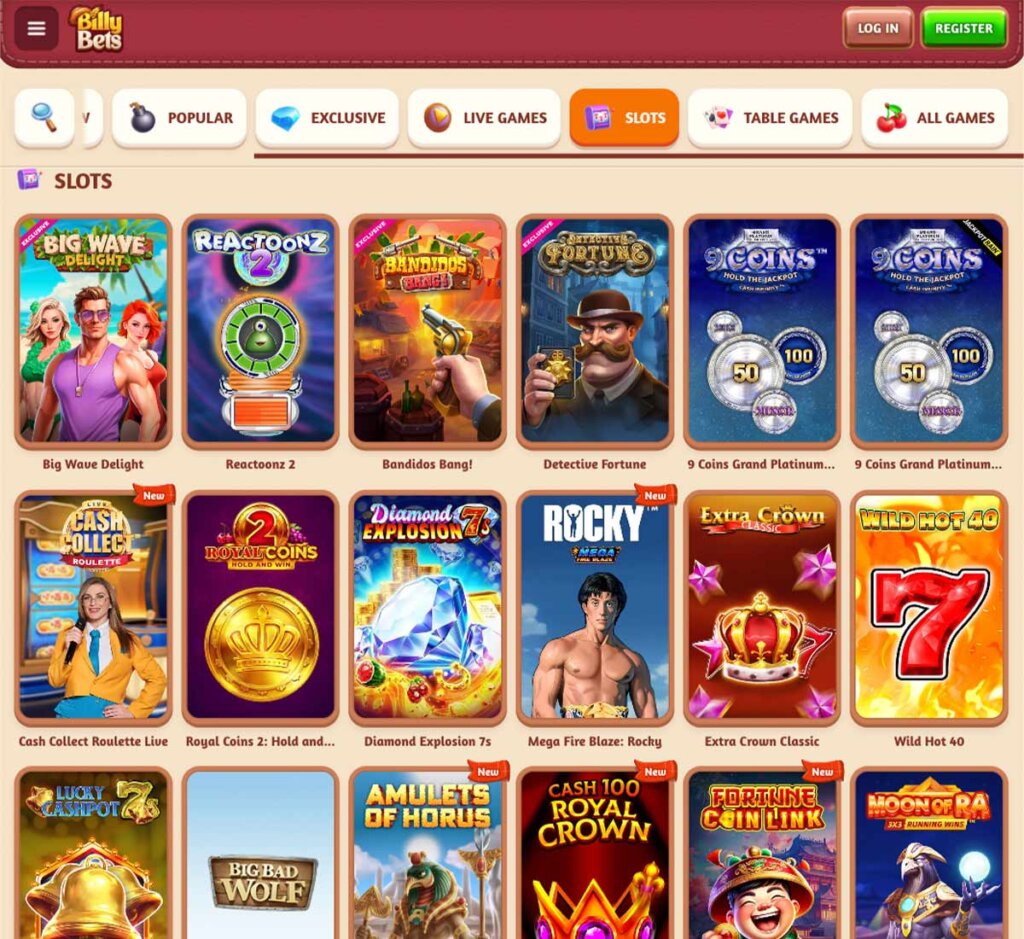
Ireland's Number One Online Casino Sites Guide | Casino Alpha

Kādā veidā Plānot Lielas Izmaksas?

Kad gaidāt ievērojamu laimestu, mēs piedāvājam iepriekš pārbaudīt sava konta konta statusu un izmantotās metodes maksimālos izmaksu ierobežojumus. Lielākas summas var nākties sadalīt vairākos mazākos maksājumos. Vai izmantot alternatīvu metodi, teiksim, tiešu bankas pārskaitījumu. Mūsu atbalsta dienests sniedz palīdzību jums izveidot labāko izmaksas plānu, lai jūs dabūtu savu naudu ātri un bez nevajadzīgām sarežģījumiem.

Paturiet prātā, ka pirms pirmās izmaksas jums vajadzēs pabeigt konta verifikāciju. Šis ir obligāts solis, ko pieprasa regulatori, un tas ir jūsu labā. Šī darbība nodrošina, ka nauda nonāks tieši pie jums. Šo verifikācijas ieteicams pabeigt jau iepriekš, lai, laimējot lielu summu, izmaksas nenokavētos.

Drošums un Pārbaude: Jūsu Finanses Aizsargāta

Billybets Casino ar visu nopietnību pieņem atbildību par jūsu līdzekļu drošību. Visa apmaiņa starp jūsu ierīci un mūsu serveriem tiek kodēta, izmantojot SSL risinājumu. Mūsu partneri maksājumu jomā ir globāli uzņēmumi ar izcilu reputāciju. Mēs pastāvīgi uzlabojam savus drošības pasākumus, lai novērstu no jebkādiem apdraudējumiem.

Profila Verifikācijas Process

Verifikācija ir vienkārša un nepieciešama sastāvdaļa jebkura droša tiešsaistes kazino darbībā. Tā ļauj mums noteikt jūsu identitāti, pārliecināties, ka esat pilngadīgs, un ka konts pieder jums. Process parasti satur identitātes dokumenta (pases vai ID kartes) un dzīvesvietas pierādījumu (piemēram, komunālo rēķinu) nodrošināšanu. Dažreiz var palūgt papildu dokumentu.

Mēs iesakām verifikāciju veikt pēc iespējas ātrāk. Tad, kad iestāsies laiks izņemt laimestu, jums nebūs jāgaida dokumentu pārbaudes labad. Mūsu atbalsta komanda ir sagatavota atbildēt uz jautājumiem par šo procesu. Ja kāds nav saprotams, bez bažām vērsieties.

Padomi un Knifi Labākai Banku Pieredzei

Lai jūsu maksājumu pieredze Billybets Casino būtu bezrūpīga, mēs esam apkopojuši noderīgus ieteikumus. Tie palīdzēs izvairīties no parastām kļūdām, ekonomēt laiku un pat naudu, izvairoties no nevajadzīgām papildmaksām. Izmantojiet šīs atziņas, lai darītu savu spēlēšanu vēl patīkamāku no raizēm.

Kādā veidā Noteikt Optimālāko Metodi Tieši Jums?

Jūsu vispiemērotākā banku metode ir atkarīga no jūsu individuālajām vēlmēm. Padomājiet par sekojošiem punktiem. Vai jums ir svarīgākais ātrums? Vai vēlaties palikt nezināms? Vai plānojat mazus depozītus vai apjomīgus laimestus? Atbildes uz šiem jautājumiem ļaus izdarīt izšķiršanos. Jaunpienācējiem mēs parasti iesakām sākt ar bankas karti vai Trustly, jo tie ir vispazīstamākie risinājumi.

  1. Identificējiet savas prioritātes: ātrums, komisijas maksas, drošība, anonimitāte.
  2. Pārbaudiet savas izvēlētās metodes limitus (gan minimālos, gan maksimālos) mūsu kases sadaļā.
  3. Iepazīstieties ar iespējamo izmaksu apstrādes laiku. Tas ir svarīgi, plānojot lielāku laimesta izņemšanu.
  4. Vienmēr izmantojiet savu personīgo kontu maksājumu pakalpojumos, nevis kāda cita, lai izvairītos no verifikācijas sarežģījumiem.
  5. Ja kaut kas šķiet neskaidrs, sazinieties ar mūsu atbalsta dienestu. Mēs esam šeit, lai atbildētu.

Kā Izvairīties no Biežākajām Kļūdām

Dažas nelielas neuzmanības kļūdas var ievērojami aizkavēt depozītu vai izmaksu. Visbiežākā ir neprecīza informācijas ievade. Vienmēr vēlreiz pārbaudiet ievadīto kartes numuru, termiņa datumu vai mak adresi. Otra kļūda ir verifikācijas atlikšana uz pēdējo brīdi. Trešais ir limitu neievērošana, kas var novest pie darījuma noraidīšanas.

Mēs iesakām saglabāt visu saziņu ar mūsu atbalsta komandu un maksājumu pakalpojumu sniedzējiem. Ja kaut kas rada aizdomas, nekavējoties pārtrauciet darījumu un sazinieties ar mums. Mūsu mērķis ir sniegt jums ne tikai aizraujošu spēļu izvēli, bet arī pilnīgu mieru par jūsu finanšu darījumiem. Spēlējiet atbildīgi un izbaudiet bez problēmām banku pakalpojumus Billybets Casino!

AlaWin Casino – Erstklassige Spiele in geschützter Umgebung in der Schweiz

Das Alawin Casino beeindruckt in der Schweiz durch sein vielfältiges Angebot an hochwertigen Spielen – von traditionellen Tischspielen bis hin zu spannenden Themen-Slots. Dank modernster Verschlüsselungstechnologie und dem strengen Anspruch an Spielersicherheit ist ein sicheres Spielerlebnis garantiert. Die benutzerfreundliche Oberfläche und die tragbare Kompatibilität ermöglichen einen mühelosen Zugriff auf die Spiele. Doch das Casino bietet noch mehr: Spieler erhalten außerdem von attraktiven Boni und einem hervorragenden Kundenservice. Was macht AlaWin also so besonders?

Große Spieleauswahl

Das AlaWin Casino in der Schweiz lässt in Sachen Spielmöglichkeiten alles zur Verfügung. Die umfangreiche Auswahl präsentiert für jeden Geschmack etwas. Von klassischen Tischspielen bis hin zu innovativen Live-Dealer-Erlebnissen ist für jeden etwas dabei. Besonders hervorzuheben sind die thematischen Spielautomaten, die die Spieler mit fesselnden Geschichten und beeindruckender Grafik in andere Welten entführen. Gefragte Titel, inspiriert von Filmen, Folklore und vielem mehr, begeistern die Spieler in ihren Bann und gestalten jeden Dreh zu einem spannenden Abenteuer. Verschiedene Einsatzlimits gewährleisten, dass sowohl Freizeitspieler als auch High Roller das Richtige finden. Das Bekenntnis des AlaWin Casinos für unterschiedliche Spielerlebnisse unterhält die Spieler nicht nur, sondern ermutigt sie auch dazu an, neue Spiele zu erkunden und verborgene Schätze in der vielfältigen Bibliothek zu finden.

Gewinnbringende Bonusangebote

Um das Spielerlebnis noch spannender zu gestalten, bietet AlaWin Casino eine Reihe lukrativer Bonusangebote, die das Spielguthaben erheblich erhöhen. Zu diesen Bonusarten gehören Begrüßungsboni, Freispiele und Treueprämien, von denen sowohl neue als auch versierte Spieler profitieren. AlaWin Casino aktualisiert seine Aktionen ständig und sorgt so für ein vielseitiges und packendes Spielerlebnis. Dank großzügiger Einzahlungsboni können Spieler ihre Ersteinzahlung optimal nutzen. Zusätzlich gibt es oft exklusive Angebote während besonderer Events, die zusätzliche Gewinnchancen bieten. Mit diesen Boni können Spieler im AlaWin Casino ihre Favoritenspiele mit mehr Selbstvertrauen und Aufregung genießen.

Engagement zur Spielersicherheit

AlaWin Casino legt größten Wert auf die Schutz seiner Spieler und sorgt dafür, dass jede Spielsitzung sicher und unterhaltsam ist. Die Plattform setzt fortschrittliche Datenschutzmaßnahmen ein, um die vertraulichen Daten ihrer Spieler zu schützen. Mithilfe hochmoderner Verschlüsselungstechnologie verschlüsselt AlaWin Casino alle Transaktionen und Kommunikationen, wodurch der Zugriff Unbefugter auf persönliche Daten nahezu unmöglich wird. Dieses Sicherheitsversprechen beschränkt sich nicht nur auf Account-Daten, sondern umfasst auch die Vertraulichkeit und die finanzielle Sicherheit der Spieler. Spieler können sich voll und ganz auf ihr Spielerlebnis konzentrieren, denn das Casino nimmt ihre Sicherheit sehr ernst. Häufige Überprüfungen und Aktualisierungen der Sicherheitsprotokolle festigen die Position von AlaWin Casino als zuverlässige Einrichtung im Bereich Online-Glücksspiel und geben den Spielern ein sicheres Gefühl, während sie in hochwertige Spiele eintauchen.

Anwenderfreundliche Oberfläche

Ein mitreißendes Spielerlebnis lässt sich leichter mit einer benutzerfreundlichen Oberfläche gestalten. AlaWin Casino zeichnet sich in dieser Hinsicht durch eine intuitive Navigation aus, die es Spielern ermöglicht, ihre Favoritenspiele rasch und einfach zu finden. Das übersichtliche Layout sorgt dafür, dass Nutzer problemlos die verschiedenen Bereiche des Casinos erkunden können, egal ob sie nach Slots, Tischspielen oder Live-Dealer-Optionen suchen. Ein weiterer großer Vorteil ist die Mobilfreundlichkeit, da sich das Design der Plattform problemlos an Smartphones und Tablets anpasst. So genießen Spieler auch unterwegs ein hochwertiges Spielerlebnis ohne Kompromisse bei Qualität oder Leistung. Insgesamt legt AlaWin Casino großen Wert auf Benutzerfreundlichkeit und ist daher die erste Wahl für alle, die beim Online-Spielen sowohl Vergnügen als auch Bequemlichkeit suchen.

Exzellenter Kundenservice

Vorzüglicher Kundenservice ist ein Markenzeichen von AlaWin Casino. Das Engagement für ein herausragendes Spielerlebnis zeigt sich im unterstützenden Mitarbeiterteam. Spieler können über unterschiedliche Kanäle Kontakt aufnehmen und erhalten so jederzeit umgehend Unterstützung. Dank des intensiven Fokus auf rasche Kommunikation garantiert AlaWin Casino die zügige und wirksame Bearbeitung von Anfragen.

Ob es um Fragen zu Spielanleitungen oder Kontofragen geht – Kunden berichten durchgehend von großer Zufriedenheit mit dem Kundenservice. Das Engagement des Casinos bei der Behebung von Problemen schafft Zuversicht und gibt den Spielern das Gefühl, wertgeschätzt zu werden. In einer Branche, in der der Kundenservice erheblich variieren kann, sticht das AlaWin Casino hervor und festigt seinen Ansehen als vertrauenswürdige und spielbezogene Glücksspieldestination in der Schweiz.

Fazit

Zusammenfassend lässt sich sagen, dass sich das AlaWin Casino als erstklassiges Glücksspielziel in der Schweiz auszeichnet und eine umfangreiche Spielauswahl in einer sicheren und benutzerfreundlichen Umgebung bietet. Dank moderner Verschlüsselungstechnologie, die persönliche Daten schützt, können Spieler unbesorgt eine Vielzahl zeitloser Tischspiele und themenbezogener Spielautomaten entdecken. Attraktive Bonusangebote und ein ausgezeichneter Kundenservice machen das AlaWin Casino zu einer sicheren Wahl für alle, die ein erstklassiges Spielerlebnis suchen.

Kalenderfunksjonen på AlaWin Casino fremhever kampanjer til Norge

Find the most popular online gambling casino games - CasinoLocate

AlaWin Casino bringer spillopplevelsen til nye høyder med sin moderne kalenderwidget, en egenskap som garanterer at norske spillere ikke går glipp av en eneste fengende kampanje eller innbringende bonus https://alawins.com/no-no/. Dette smarte verktøyet er designet for å gi brukerne full innsikt og makt over tilbudene som er oppførte, spesielt optimalisert det norske markedet. For spillere i Norge innebærer dette en lettere, mer oversiktlig og langt mer givende casinoopplevelse hvor hver dag kan by på nye anledninger for å vinne stort. Innføringen av denne funksjonaliteten viser casinoets dedikasjon til å forbedre brukeropplevelsen til et helt nytt nivå gjennom smart strukturering og proaktiv kommunikasjon.

Hvordan fungerer AlaWin Casinos kalenderwidget og hva er dens funksjon?

AlaWin Casinos kalenderwidget er et visuelt og interaktivt verktøy som er implementert på casinoets plattform for å fremvise kommende og pågående kampanjer på en lettfattelig måte. Den viser tilbudene i et kalenderformat, der hver enkelt dag eller periode kan ha en eksklusiv bonus, turnering eller spesialtilbud. Widgeten er levende og justeres automatisk, noe som sikrer at all informasjon er nøyaktig og oppdatert. Spillere kan uten problemer klikke på en dato for å få oversikt over detaljene om kampanjen og bli med umiddelbart, noe som eliminerer risikoen for å gå glipp av attraktive muligheter. Denne direkte tilgangen forenkler prosessen betydelig sammenlignet tradisjonelle kampanjesider.

Funksjonaliteten er brukervennlig og optimalisert for å spare spillerens tid og forbedre bekvemmeligheten. I stedet for å lete etter kampanjer på forskjellige sider av nettstedet, konsentrerer widgeten alt på ett sted. Den kan ofte filtreres eller ordnes etter type tilbud, for tilfelle gratisspinn, innskuddsbonuser eller turneringer. For norske spillere som setter pris på effektivitet og åpen kommunikasjon, er dette et utmerket verktøy for å holde seg orientert om det mest fordelaktige AlaWin Casino har å tilby. Den grafiske presentasjonen er utformet for å være øyeblikkelig forståelig, slik at selv nye brukere effektivt finner frem til de beste kampanjene uten forsinkelse.

Slik finner du og bruker du widgeten på alawins.com/no-no

Å lokalisere og benytte den hendige kalenderwidgeten på AlaWin Casinos norske nettsted er en meget enkel prosess. Når man oppsøker alawins.com/no-no, er widgeten som regel plassert på en fremtredende plass, for eksempel på hovedsiden eller i en egen kampanje-seksjon. Den er ofte representert med et ikon som minner om en kalender eller med en direkte oversikt over kommende datoer og tilbud. Designet er utformet for å fange oppmerksomheten uten at det er påtrengende. Casinoet sikrer at dette verktøyet er et av de tidligste elementene spilleren ser, noe som understreker dets sentrale rolle i den ordinære driften.

Bruk er like enkelt som å navigere til den. Ved å klikke på en bestemt dato i widgeten, vil man få se en utfyllende beskrivelse av kampanjen som er aktiv den dagen, sammen med alle betingelser og betingelser. Derfra kan man som regel delta direkte eller bli ført til det relevante spillet eller seksjonen. For nye brukere anbefales det å utforske widgeten inngående for å bli fortrolig med de varierte typene tilbud som varieres jevnlig, og slik utnytte fordelene av å være en AlaWin Casino-spiller i Norge. En kjapp orientering gir direkte innsikt i den rike belønningsstrukturen som ligger klar, og inspirerer til hyppige besøk på plattformen.

Hvordan kalenderen garanterer at du aldri går glipp av en bonus

Mekanismen som ligger bak kalenderwidgeten er utviklet for å redusere sjansen for å miste en bonus til et absolutt minimum. Ved å samle sammen alle kampanjene på ett grafisk sentralt sted, fjerner den behovet for å erindre forskjellige utløpsdatoer eller bevisst søke etter nye tilbud. Systemet videresender ofte også påminnelser eller notifikasjoner til brukerne, enten via e-post eller direkte på plattformen, for å garantere at ekstra lukrative tilbud ikke blir oversett. Denne automatikken er avgjørende i dagens travle hverdag hvor småting lett kan forsvinne.

Denne fremoverlente tilnærmingen innebærer at til tross for at en spiller har en hektisk uke, vil ikke verdifulle muligheter gå tapt. Widgeten fungerer som en personlig assistent som bevarer oversikten. For norske spillere, som kan ha ulike fritid og spillevaner, er denne troverdigheten uvurderlig. Den forvandler bonusjakt fra en stressende aktivitet til en behagelig og belønnende del av den totale casinoopplevelsen på AlaWin. Spilleren kan slappe helt av i trygghet om at casinoet bevisst jobber for å presentere alle muligheter på en klar og tilgjengelig måte, noe som etablerer tillit og lojalitet over tid.

Goder for norske spillere med en skreddersydd kampanjekalender

Den viktigste fordelen for norske spillere er helt klart fullstendig transparens og forutsigbarhet. Med kalenderwidgeten vet man alltid hva som venter rundt neste hjørne, og man kan planlegge spillingen deretter. Dette skaper en følelse av forventning og spenning, og sikrer at man aldri mister en kampanje man gleder seg til. For en aktiv spiller kan dette være betydelige ekstraverdier over tid, fra gratisspinn på populære spilleautomater til bonuspenger som forsterker bankrollen. Muligheten til å forberede seg på en stor turnering eller et spesielt tilbud gir en strategisk fordel som optimaliserer den overordnede spillopplevelsen.

I tillegg støtter widgeten rettferdighet og lik tilgang for alle. Alle registrerte brukere i Norge ser de samme tilbudene på samme tid, noe som fjerner usikkerhet og følelsen av å være oversett. Den direkte integreringen mellom kalenderen og spillene betyr at deltakelse skjer med et enkelt klikk, noe som gjør prosessen sømløs. Dette nivået av service og hensyn til brukeropplevelsen understreker AlaWin Casinos forpliktelse til å levere en førsteklasses tjeneste til det norske markedet. Spillere opplever dermed en følelse av fellesskap og inkludering, hvor alle har samme sjanse til å dra nytte av de fantastiske kampanjene som tilbys måned etter måned.

Typer av kampanjer du kan regne med å se i kalenderen

Kalenderwidgeten på AlaWin Casino presenterer et utvalg av kampanjer som er utformet for å dekke ulike spillere sine behov. Vanlige tilbud inneholder gratisspinn på nyeste spilleautomater, ofte med engasjerende temaer og høye utbetalingspotensialer. Innskuddsbonuser, hvor man får en andelvis forøkelse av sitt innskudd, er også et fast innslag og gir ytterligere spillekapital til å oppdage et stort spillutvalg. Disse kampanjene er særlig populære blant norske spillere som har lyst til å øke spilletiden og forbedre sine vinnersjanser uten ekstra risiko for egen kapital.

I tillegg kan spillere se turneringer med ledertavler, hvor man slåss mot andre spillere om betydelige pengepremier eller luksuspremier. Spesialtilbud knyttet til høytider eller bestemte hendelser er også normale, og gir en ekstra festlig stemning til spillingen. For de som liker klassikere, kan det komme kampanjer tilknyttet til bordspill eller live dealer-opplevelser. Den norske kalenderen viser AlaWin Casinos kjennskap av det lokale markedet og tilbyr en harmonisk blanding av klassiske og moderne kampanjeformer. Dette garanterer at enhver spiller, uavhengig av smak, regelmessig finner noe som pirrer deres interesse og glede.

Widgeten som et redskap for bedre spillkontroll

Utover å være en kampanjesentral, tjener kalenderwidgeten som et nyttig verktøy for å støtte ansvarlig spill. Ved å gi en klar og forutsigbar oversikt over bonusprogrammer, støtter den spillerne med å strukturere sin spilletid og penger mer effektivt. Man kan se når store turneringer settes i gang eller når en bonus går ut, og dermed ta bevisste valg om når og hvordan man vil delta. Denne oppsettet fremmer til overveielse og bevisst beslutningstaking fremfor spontane valg.

Denne visningen bidrar til å unngå impulsoppførsel og oppmuntrer til en mer behersket tilnærming til aktiviteten. AlaWin Casino, som driver i Norge med et tydelig fokus på ansvar, ser denne funksjonen som en sentral del av sin sikkerhets- og kontrollpakke. For den individuelle spiller gir det en følelse av stabilitet og orden, hvor aktivitet står i sentrum uten uventede overraskelser på økonomien. Det er et strålende eksempel på hvordan innovativ teknologi kan hjelpe både glede og sunn fornuft. Widgeten blir dermed ikke bare en opphav til lykke, men også en avgjørende støtte for å bevare ansvarlige spillvaner i overensstemmelse med norges krav og myndighets- krav.

Veien videre for kampanjehåndtering på AlaWin Casino

AlaWin Casino holder seg forpliktet til innovasjon, og kalenderwidgeten er kun opptakten på en ferd mot ytterligere mer personlige og effektive kampanjeløsninger. Kommende forbedringer kan inneholde ennå mer tilpassede forslag fundert på spillerens unike historikk og preferanser, hvilket som vil medføre enhver bruker sin agenda særegen. Kobling med trådløse gadgets for direktemeldinger kan likeledes forbedres videre for å sikre minner i øyeblikkelig. Fremgangen vil trolig fokusere på å medføre samspillet ennå mer brukervennlig og fengslende.

Mulighetene for samhandling og gamifisering er likeledes stort. AlaWin kan undersøke konsepter som kalenderstyrte oppgaver eller utviklingsbonuser som gir gevinst regelmessig aktivitet. For det Norges marked, som liker samtidig simplisitet og moderne funksjonalitet, vil evolusjonen helt sikkert inkludere stedlig respons og tendenser. Hensikten er å vedvare å forenkle tilgangen til lykke og gevinster, og garantere at AlaWin Casino er fortsatt en fremtredende reisemål for norsk spillere i tiden som kommer. Det kontinuerlige innsatsen for forbedring viser at casinoet ikke hviler på laurbærene, men ivrig ser frem til nye tilnærminger å overgå forventningene på og levere en uforglemmelig opplevelse.

AlaWin Casino sin tilpasning til norske spillevaner

AlaWin Casino sin widget for kalender er et glimrende tilfelle på hvordan casinoet tilpasser seg de spesielle kjennetegnene ved norske spillvaner. Norske brukere er kjent for å være velinformerte, nøye og verdsette både troverdighet og produktivitet. Verktøyet tilfredsstiller disse forventningene ved å levere full gjennomsiktighet og lett innsyn til alle kampanjer. Den respekterer spillerens tidsbruk og intelligens ved å fremvise sammensatte bonuser på en lettfattelig og klar form, noe som er essensielt for å etablere stabile forhold i dette segmentet.

I tillegg til dette reflekterer innholdet i widgeten gjerne norske ønsker, med et kraftig fokusering på spilleautomater, spillturneringer og kampanjer som gir ekte nytte. AlaWin Casino innser at norske brukere ønsker fornøyelse forent med utsikt for gevinst, og widgeten garanterer at denne blandingen alltid er tilgjengelig. Denne kulturspesifikke tilpasningen omfatter også til designet, som regelmessig inkluderer rene linjer, lett språk og et design som appellerer til det nordiske blikket. På denne måten blir kalenderwidgeten mer enn et hjelpemiddel; den blir et bevis på spillplattformens dype dedikasjon for å tilby en autentisk og behagelig opplevelse til den norske deltakeren.

Golisimo Casino Exceeded My Expectations Review from a New Zealander

888casino 2023 Review | All Details about Login

When I first started investigating the online casino landscape offered to New Zealand players, I considered new platforms with a healthy dose of scepticism. Assurances of huge game selections, attractive bonuses, and seamless user experiences are common, but the truth often disappoints. My path with Golisimocasino started under this cloud of cautious expectation. I was expecting the typical shortcomings: a clunky interface, bonus requirements that seemed like a maze, or a game portfolio that looked impressive on paper but was superficial when tested. However, as I thoroughly examined every facet of the platform—from account creation and deposits to gaming, assistance, and payouts—I discovered a recurring theme of high standards and thoughtful design that truly caught me off guard. This review chronicles that journey, moving from initial doubt to a position of confident recommendation, grounded in the tangible features and interactions that make Golisimo stand out in a saturated industry. The platform’s focus on detail, apparent in everything from its mobile compatibility to its clear information structure, signaled a departure from the norm, prompting me to investigate further into what enables this casino to function so well for the discerning Kiwi player.

First Impressions and Site Layout

Visiting the Golisimo Casino website, the immediate impression is one of dynamic feel without sensory overload. The colour scheme is a vibrant blend of violet tones, blues, and darker accents, forming a visually engaging atmosphere that feels modern and game-centric. Importantly, the design is not merely visual; it is essentially functional. Navigation is user-friendly, with a clearly arranged main menu and a standout search function that operates well to find particular games or providers. The site is fast across both desktop and mobile browsers, a proof of solid technical performance that many casinos still struggle with. I found the placement of essential links—like ‘Promotions’, ‘Banking’, and ‘Support’—to be consistently accessible, never buried or tucked away. This well-planned design eliminated the tedious quest for basic functions that affects so many other platforms. The general impression is that of a digital venue created by people who know both the thrill of gaming and the everyday demands of the player, establishing a favorable and effective user experience from the very first click. I dedicated considerable time trying out the mobile browser version, and the experience was nearly identical to the desktop; buttons were just right for touch, menus closed smoothly, and game graphics displayed perfectly on a smaller screen, which is a key standard many sites miss. The visual hierarchy on every page expertly guides the eye to key actions, whether it’s a featured promotion or the ‘Play Now’ button on a game thumbnail, illustrating a advanced knowledge of user interface principles applied to the casino context.

Comprehensive Exploration of the Game Library

The essence of any casino is its game collection, and this is where Golisimo truly stands out and separate itself from the competition. The library is not just large; it is curated with diversity and quality in consideration. Partnering with a strong roster of over 90 software providers, including industry giants like NetEnt, Pragmatic Play, Play’n GO, and Evolution, as well as creative smaller studios, ensures a constantly refreshed and top-tier collection. The slots collection is enormous, covering classic fruit machines to complex video slots with elaborate bonus features and storylines. For illustration, I could seamlessly jump from the nostalgic simplicity of ‘Book of Dead’ to the cinematic cluster mechanics of ‘Gates of Olympus’, and then to a themed title like ‘Jurassic Park Megaways’, each delivering a markedly different entertainment experience. Table game lovers are well served with many variants of blackjack, roulette, and baccarat. However, the star for me was the live casino section. Driven mainly by Evolution, it delivers an engaging, real-time experience that genuinely replicates the atmosphere of a physical casino floor, with skilled dealers and engaging features. The structuring of these games is outstanding, with smart filters by provider, feature (like ‘Megaways’ or ‘Buy Bonus’), and popularity, making finding easy. Beyond the filters, the ‘New Games’ and ‘Popular Games’ sections are refreshed regularly, reflecting real player trends and the latest releases, which preserved the lobby seeming lively and modern throughout my testing period.

  • Slots: A vast collection from classic 3-reel to modern video slots with wide-ranging themes and mechanics, including progressive jackpot networks like Mega Moolah.
  • Live Casino: A top-tier, captivating experience with Evolution-led games like Live Blackjack, Roulette, and game shows such as Monopoly Live and Crazy Time, which blend gaming with entertainment.
  • Table Games: Complete digital versions of Roulette, Blackjack, Baccarat, and Poker variants, including less common options like Casino Hold’em and Pai Gow Poker.
  • Other Categories: Includes a solid selection of video poker, scratch cards, and instant win games, providing quick-play options for briefer sessions.

Bonuses and Promotional Offers Analysed

Bonuses are a two-sided coin in online gaming: tempting on the surface but often limited by restrictive terms. Golisimo’s welcome offer is strong, typically offering a match on the first deposit combined with free spins. What stood out to me, however, was the transparency and reasonableness of the associated wagering requirements. While they are in place (as is typical), they were plainly communicated and, in my judgment, more attainable than the often excessive demands seen elsewhere. More crucially, the bonus offerings goes well beyond the welcome package. The casino runs regular tournaments with jackpots, weekly reload bonuses, and a structured cashback offer that delivers a real safety net for frequent play. The loyalty program, while not the flashiest I’ve seen, is substantive, compensating consistent play with concrete perks like personalised bonuses and increased withdrawal limits. This method to promotions feels viable and fair, meant to encourage ongoing engagement rather than merely functioning as a one-time acquisition tool with undisclosed pitfalls. I carefully checked the terms for the weekly reload bonus and found game weighting for eligibility was clearly broken down; slots qualified 100%, while many live games contributed a reduced percentage, which is normal but notably was disclosed in advance. This level of detail avoids unpleasant surprises when trying to clear bonus funds and is a sign of a honest operator.

Support Service and Support Quality

Even the most refined platform can experience issues, and the standard of customer support is what distinguishes good casinos from great ones. Golisimo offers 24/7 support through live chat and email. I evaluated the live chat function on several occasions at different times of day and night. The connection was consistently immediate, with no prolonged queueing. The support agents were consistently polite, knowledgeable, and, crucially, enabled to solve problems. They gave clear, concise answers to my questions about bonus terms, game rules, and withdrawal procedures without falling back on canned, unhelpful responses. For example, when I inquired a specific clarification on the wagering contribution of a particular live blackjack variant, the agent did not pause and provided the exact percentage, citing the relevant section of the terms and conditions. The email support, while slower, delivered thorough and well-structured replies. I also discovered the comprehensive FAQ section to be genuinely useful, covering a broad range of topics from account management to technical troubleshooting. This multi-layered support structure demonstrates a commitment to player satisfaction that extends beyond mere marketing claims, offering real peace of mind that assistance is readily available when needed. The support team also showed good product knowledge, once suggesting a specific slot game based on my described preferences, which showed an engagement level beyond simple problem-solving.

Payment Methods: Deposits and Withdrawals

A casino’s payment systems are the true measure of its reliability and customer focus. Golisimo provides a robust suite of payment options catering to the New Zealand market, such as traditional options like Visa/Mastercard and bank transfers, together with a diverse selection of e-wallets such as Skrill, Neteller, and MuchBetter, and even various cryptocurrencies. Deposits are immediate, with transparent limits displayed. The actual measure, however, is found in the withdrawal process. I initiated several withdrawals during my review period. The handling times were consistently within the promised periods, often completed within 24 hours for e-wallet methods, which is exceptional. The nonexistence of prolonged, unjustified waiting times was a significant relief. The platform implements reasonable security checks, but these are handled effectively. Moreover, the transparency regarding potential fees (largely none from the casino’s side for standard methods) and the easy process for submitting documentation enhance a impression of monetary safety and professionalism that is paramount for any dedicated gambler. I tested a withdrawal via MuchBetter, and the funds arrived in my e-wallet in under 12 hours. The ‘Cashier’ section displays a thorough transaction history with status updates, so I was always informed about where my request was in the queue. This clarity, combined with speed, builds immense confidence and is a vital part of the entire favorable impression.

premiernom - Blog

Account Setup and Starting Out

Best Free £100 No Deposit Bonus Online Casinos 2024

Registration is frequently the primary engagement a user has with a casino’s backend systems, and it can be a strong clue of how well things run. Golisimo’s registration form is streamlined, requesting only the essential details to create an account securely. I finished the process in just a few minutes, experiencing no unclear stages or unnecessary data grabs. Verification was quick; sending in my paperwork resulted in an confirmation message within a matter of hours, which is notably faster than the industry average that can take several days. Once my account was live, I was shown a clear dashboard that presented my current state, any offers I could claim, and direct links for payments and titles. The entire onboarding sequence felt efficient and courteous. There was no pressure to make an immediate deposit, allowing me to explore the lobby in ‘demo’ mode for various games, which I really valued as it let me gauge the software quality risk-free. This frictionless entry sets a serious and competent atmosphere, indicating a platform that prioritizes efficiency and user comfort from the beginning, rather than seeing the user only as a transactional entity. A notably thoughtful addition was the voluntary option to define deposit boundaries during registration, positioning responsible gambling as a key element, not an afterthought. Furthermore, the first verification messages were straightforward and included clickable references to the fine print for the introductory promotion, guaranteeing openness was built in in the communication from day one, a practice that builds immediate trust.

Conclusive Assessment and General Rating

After a thorough review period, my original expectations have not just been met but considerably exceeded. Golisimo Casino presents a cohesive and high-quality package that addresses the fundamental needs of an online player with impressive consistency. Its assets are diverse: a aesthetically pleasing and ultra-functional website, a game library that is both vast and supplied by elite providers, a clear and rewarding promotional scheme, and banking processes that are effective and trustworthy. The outstanding feature, however, is the smooth integration of these elements into a user experience that feels premium and player-centric. The minor critiques I could muster—such as the wish for an even more granular game filter or a slightly more lively loyalty program—are overshadowed by the platform’s fundamental excellence in key areas. For New Zealand players searching for a modern, reliable, and comprehensively entertaining online casino, Golisimo is as a top-tier choice that assuredly delivers on its promises. It adeptly caters to both occasional players seeking fun and serious enthusiasts who expect performance, security, and depth.

My experience with Golisimo Casino transformed from cautious exploration to genuine endorsement. It effectively distinguishes itself in a competitive market not through gimmicks, but through the consistent execution of core casino functions at a excellent level. From the user-friendly design and stellar game selection to the rapid financial handling and helpful support, the platform shows a clear understanding of what players prioritize. It provides a protected, engaging, and expertly operated environment where the focus stays on entertainment and fair play. For anyone in New Zealand looking for a trustworthy and richly featured online gaming destination, Golisimo presents a attractive proposition that is deserving of your consideration. The casino has established a new benchmark in my reviews, proving that a focus on user-centric design, operational integrity, and quality content can create an experience that truly surpasses expectations.

Multisignature Wallets in Rabby: Team Treasury and DAO Management

A decentralized autonomous organization with twenty members, a pooled treasury, and rotating operational responsibilities faces a genuine constraint: no single person should have unilateral control over spending. A traditional corporate bank account imposes this through formal approval workflows, but blockchain-based alternatives require a different mechanism. A multisignature wallet requires two, three, five, or more authorized parties to sign a transaction before it moves funds. Rabby Wallet’s multisig support brings this control structure to Ethereum and EVM-compatible networks, transforming a single self-custodial private key into a distributed approval system with configurable thresholds and participant roles.

The practical question is not whether multisig is possible in principle—it has been technically feasible for over a decade—but whether a user-facing wallet makes the setup, operation, and emergency recovery simple enough to be reliable. Most teams or DAOs that experiment with multisig encounter hidden complexity: unclear responsibility for key storage, confusion about what each signer must do to approve a transaction, ambiguity about how to recover if a key is lost, and false confidence in a shared vault that is not actually shared. Rabby’s approach aims to surface these challenges through clear transaction simulation, readable pending-approval states, and integration with Safe (formerly Gnosis Safe), which remains the dominant multisig standard on Ethereum and other EVM chains.

Rabby Wallet multisig interface showing transaction approval workflow with multiple signers and pending confirmations

How multisignature control replaces single-key authority

A traditional self-custodial wallet is controlled by one private key. Whoever holds that key can approve any transaction, and that key’s compromise or loss means complete control is lost or assets can be stolen. A multisignature structure distributes this power across several keys and enforces a rule: only when a specified number of those keys sign the same transaction does the blockchain execute it. A 2-of-3 setup requires any two of three designated signers. A 5-of-7 setup requires five of seven. The threshold creates a buffer against both individual negligence and isolated key compromise.

The distribution of keys matters as much as the threshold itself. If all three keys in a 2-of-3 wallet are held by the same organization or person, the structure provides almost no protection against insider abuse or human error—only against a single accidental loss. If the three keys are held by independent parties, a 2-of-3 multisig requires any two of them to cooperate, which raises the cost of a single attacker compromising one key and attempting a theft. The tradeoff is speed and convenience: every transaction now requires coordination across signers rather than one person instantly signing from their device.

Rabby’s support for Safe-based multisig wallets leverages the most battle-tested implementation on Ethereum and EVM chains. A Safe contract is deployed once on the blockchain, receives the list of signer addresses, and stores the threshold. Any signer can initiate a transaction by submitting it to the Safe contract, and the remaining signers can review and sign it. The wallet interface displays pending transactions, shows who has signed, and indicates how many signatures remain before the transaction can be executed. This transparency is critical: a signer should be able to see what they are signing before they approve it.

Setting up a Safe multisig and distributing signer roles

Creating a Safe multisig is the entry point where many teams discover their unstated assumptions. Before deployment, several decisions must be made: Who will be the signers? Will they all be equal, or will some hold more weight? How many signatures are required? What is the replacement plan if a signer leaves or loses their key? Should there be a delay between approval and execution, allowing time to cancel a malicious or erroneous transaction? These questions are not technical; they are governance questions that must be answered by the team itself.

The actual deployment involves a Safe factory contract that creates a new Safe with the specified signer list and threshold. Once deployed, the Safe address becomes the shared vault. Each signer must then use Rabby or another compatible wallet to connect to that Safe address and manage their signing role. A critical point: each signer still holds their own private key, which they must protect as carefully as a self-custodial wallet. A compromised signer key can be used to approve undesired transactions, and it can be difficult to detect or revoke immediately depending on the Safe’s governance setup.

Distribution of keys should follow the actual risk and decision-making structure of the team. A family vault with a grandmother and two adult children might use a 2-of-3 setup with each key held by a different person, stored in separate physical locations. A DAO with professional signers might use a 4-of-7 setup where the signers are known community members, encouraging broad participation but preventing any single person from unilaterally moving treasury funds. The crucial mistake is treating the signer list as permanent and forgetting that replacing a signer requires either a governance vote to modify the Safe’s approved list or the creation of a new Safe and migration of funds.

Transaction simulation and approval workflows in Rabby

Before a signer approves a transaction in a multisig context, they should know exactly what the transaction will do: which addresses receive funds, how much is being transferred, what contract functions are being called, and what the transaction costs. Rabby’s transaction simulation feature displays this information in readable form rather than requiring signers to decode bytecode or trust a text label. A transaction that claims to “swap tokens” can be simulated to show the exact input amount, expected output, slippage tolerance, and destination wallet. A transaction labeled “approve token” can show which contract is being authorized, for how much, and to which address.

This transparency is especially important in a multisig context because signers are often not the ones initiating the transaction. One team member might propose a transfer of 100 USDC to pay a contractor, submit it to the Safe, and then ask the other signers to approve it. Those signers may not have full context and may rely on the transaction details shown in their wallet. If the interface is unclear or if simulation fails, a signer might approve a transaction they do not fully understand, creating a security weak point. Rabby’s focus on readable transaction details addresses this directly: a signer can verify that the transaction matches the stated intent before signing.

The approval workflow itself requires coordination across signers. After the first signer approves, the transaction enters a pending state. Other signers can see that a transaction is waiting for their signature and can review the same simulated details. Once the threshold is met—for example, two of three signers have signed in a 2-of-3 setup—any signer can broadcast the transaction to the blockchain to execute it. This final step is often overlooked: approval signatures are stored in the Safe contract, but the transaction is not executed until someone pays gas to finalize it. A negligence event can occur if everyone assumes someone else will execute it, leaving the transaction approved but unexecuted indefinitely.

Key storage and signer device security

Each signer in a multisig holds a private key that grants them signing authority. That key can be stored in several ways: directly in Rabby on a computer or mobile device, on a hardware wallet like Ledger or Trezor connected to Rabby, or on an air-gapped signing device accessed through a manual process. The choice affects both security and friction. A key stored only on one person’s phone creates a single point of failure if that phone is lost, stolen, or compromised. If that person loses access, the entire key is at risk, and if the team relies on that person to sign time-sensitive transactions, their unavailability can block spending.

Hardware wallet integration—supporting Ledger, Trezor, and other hardware signers—increases security by keeping private keys isolated from internet-connected devices. A signer with a Ledger can connect it to any device running Rabby, and the transaction is signed on the hardware device before the signature leaves the device. This dramatically reduces the attack surface compared to a key stored in a hot wallet. However, hardware wallets require physical access and can be slow in a distributed team context: if a signer is traveling without their hardware device, they cannot quickly approve an urgent transaction.

The practical security model depends on how long approval windows are and how distributed the signers are. A 4-of-7 DAO might accept that one signer uses hardware security because the other six can still move quickly if that signer is unavailable. A small team with 3 signers might require a faster flow and accept slightly lower security isolation. The tradeoff is explicit rather than hidden. A signer should document where their key is stored, who might have physical or digital access, and what the recovery procedure is if they lose access. This documentation should not be shared with other signers: if one signer’s key is compromised, knowing that the other keys are stored in similar locations might allow an attacker to target them as well.

Recovery and key replacement in multisig structures

A critical difference between single-key and multisig wallets is how recovery works. In a self-custodial wallet, losing the private key means complete loss of access unless a backup phrase was stored. In a multisig, losing one key is recoverable as long as the threshold allows it. A 2-of-3 wallet can still move funds even if one signer loses their key, as long as the other two can cooperate. However, if another signer later loses access, the wallet is permanently locked—the remaining signer cannot execute transactions alone.

Replacing a signer requires a governance action within the Safe itself. The existing signers must collectively approve a modification to the signer list, removing the departed signer and adding a new one. This is itself a transaction that must meet the approval threshold, creating a bootstrap problem: if a signer is missing, the remaining signers must still reach quorum to remove them. This is why the initial threshold and signer count must anticipate real-world availability. A 5-of-7 setup can replace up to two signers before hitting a deadlock; a 2-of-3 setup has almost no recovery room.

Emergency procedures should be documented before they are needed. If a signer becomes unavailable, how long should the team wait before attempting to remove them? If a key is suspected compromised, what is the procedure to revoke that signer’s authority immediately? Some teams use a timelock feature available in Safe contracts, which delays transaction execution for a set period after approval, allowing a signer to notice and cancel a malicious transaction. Others rely on continuous monitoring of pending transactions or establish a communication protocol so signers can alert each other if unexpected transactions appear.

DAO treasury management and spending controls

For a DAO with a significant treasury, multisig control is often the first step toward distributed governance. A multisig does not automatically distribute spending authority fairly—it simply ensures that no single person can steal funds. A 7-of-10 setup with seven wealthy core members as signers does not make the DAO more democratic. However, combined with a clear spending policy and transparent transaction workflows, a multisig can enforce that spending decisions are reviewed and logged on-chain before execution.

Spending controls in a Safe multisig context can include spending limits tied to individual signers or roles, daily transfer caps, and allowlists of approved recipient addresses. A contract can be deployed above the Safe that enforces these rules, rejecting transactions that violate them before they even reach the multisig for approval. This shifts oversight from signers reviewing each transaction manually to automated rules that signers agree on in advance. However, automated rules can also create false confidence: if signers do not review the code implementing those rules, a poorly written contract might block legitimate transactions or allow unintended transfers.

The most practical pattern for DAO treasuries is a tiered approval structure: small routine payments might require only 2-of-5 signatures, while large transfers or contract deployments require 4-of-5. This can be implemented using multiple Safe contracts or through a single Safe with custom logic. The Rabby wallet can interact with both patterns, displaying the required approval threshold and simulating each transaction before it is signed. The key insight is that multisig is a technical control, but governance is a social one. A well-designed multisig supports governance without replacing the conversation that should happen before a spending decision is made.

Interoperability with other signers and third-party services

A Safe multisig does not require all signers to use Rabby. A signer can use WalletConnect to connect from another wallet application, can use a hardware wallet directly with Safe’s web interface, or can even sign offline if they prefer a completely air-gapped process. This flexibility is valuable for distributed teams where signers may have different preferences or security setups. However, it also creates a support burden: if each signer is using a different tool, troubleshooting approval failures becomes more complicated.

Interoperability also extends to services that can propose transactions to the Safe. A DAO might use Snapshot for voting, with the results used to create a transaction proposal in the Safe that signers then need to approve. A DeFi aggregator might propose a transaction to rebalance the treasury across protocols. A Rabby rabby wallet self-custodial cryptocurrency user can review any of these transactions using the same transaction simulation tools, regardless of who proposed it. The wallet is a common interface for signers to review and approve, even if the transaction originated elsewhere.

Integration with services like Tally, Snapshot, and Gnosis Safe’s own interface means that a Safe multisig is not locked into Rabby. A signer who prefers WalletConnect can use Safe’s web interface. A team that wants to use Tally’s governance interface can propose transactions there and have Rabby signers approve them. This openness is a strength because it prevents lock-in, but it also requires that signers understand the security model of each tool they use. A phishing interface that mimics Safe’s web interface could capture signatures if a signer does not verify URLs carefully.

Common pitfalls and how to avoid them

The first pitfall is underestimating the coordination cost. A 5-of-7 multisig that requires waiting for five people to find time to sign a transaction is slower than a 1-of-1 wallet. If the team is distributed across time zones or if signers are semi-active volunteers, approval can take hours or days. If funds need to move quickly—for example, to respond to a security incident or market opportunity—multisig can be a bottleneck. Some teams address this by maintaining a separate operational fund in a 1-of-1 hot wallet for routine payments and keeping multisig for the main treasury.

The second pitfall is forgetting that signatures are recorded permanently. In a multisig, every transaction that reaches the threshold is executed, and every signer who approved it is identifiable on-chain. A DAO member cannot claim plausible deniability about a spending decision if their signature is on the transaction. This is actually a feature for governance accountability, but it surprises teams that thought multisig would provide anonymity or deniability.

The third pitfall is treating key storage casually. Because a multisig requires multiple keys, some teams assume that each individual key can be stored less carefully. In reality, each key should be protected as if it grants complete control, because compromising that key plus the minimum number of other keys needed allows theft from the entire treasury. A signer’s key should be stored offline if possible, encrypted if stored electronically, and kept in a location only the signer knows about.

The fourth pitfall is not testing the recovery flow. Before relying on a multisig for real funds, the team should conduct a test: have one signer pretend to lose their key and attempt to replace them. Have another signer try to recover their key from a backup. Execute a test transaction and verify that each signer can review and approve it. Only after confirming that the workflow actually works should the multisig receive significant funds.

Frequently asked questions

What is the minimum threshold for a Safe multisig wallet?

A Safe can be deployed with any threshold from 1 to the total number of signers. A 1-of-5 setup allows any single signer to execute transactions, offering no control advantage. Most practical multisigs use at least 2-of-3 (two of three signers required) for small teams and 4-of-7 or higher for larger organizations. The threshold should reflect both security goals and the team’s ability to reach quorum reliably.

Can I replace a signer in a multisig wallet without losing access to funds?

Yes, a Safe allows existing signers to vote to remove one signer and add another. This is itself a transaction that must meet the approval threshold. If signers are unavailable and the remaining signers cannot reach quorum, the wallet can enter a deadlock where the threshold cannot be met. This is why the initial setup should anticipate possible losses: a 5-of-7 setup has more flexibility to recover from signer loss than a 2-of-3.

Do all signers in a multisig need to use Rabby Wallet?

No. A Safe multisig is blockchain-based and can be signed by any compatible wallet or tool, including hardware wallets connected through WalletConnect, other software wallets, and offline signing methods. Rabby can interact with multisigs proposed by other services, and signers using Rabby can review the same transactions as signers using Safe’s web interface or other tools.

Multisignature Wallets in Rabby: Team Treasury and DAO Management

A decentralized autonomous organization with twenty members, a pooled treasury, and rotating operational responsibilities faces a genuine constraint: no single person should have unilateral control over spending. A traditional corporate bank account imposes this through formal approval workflows, but blockchain-based alternatives require a different mechanism. A multisignature wallet requires two, three, five, or more authorized parties to sign a transaction before it moves funds. Rabby Wallet’s multisig support brings this control structure to Ethereum and EVM-compatible networks, transforming a single self-custodial private key into a distributed approval system with configurable thresholds and participant roles.

The practical question is not whether multisig is possible in principle—it has been technically feasible for over a decade—but whether a user-facing wallet makes the setup, operation, and emergency recovery simple enough to be reliable. Most teams or DAOs that experiment with multisig encounter hidden complexity: unclear responsibility for key storage, confusion about what each signer must do to approve a transaction, ambiguity about how to recover if a key is lost, and false confidence in a shared vault that is not actually shared. Rabby’s approach aims to surface these challenges through clear transaction simulation, readable pending-approval states, and integration with Safe (formerly Gnosis Safe), which remains the dominant multisig standard on Ethereum and other EVM chains.

Rabby Wallet multisig interface showing transaction approval workflow with multiple signers and pending confirmations

How multisignature control replaces single-key authority

A traditional self-custodial wallet is controlled by one private key. Whoever holds that key can approve any transaction, and that key’s compromise or loss means complete control is lost or assets can be stolen. A multisignature structure distributes this power across several keys and enforces a rule: only when a specified number of those keys sign the same transaction does the blockchain execute it. A 2-of-3 setup requires any two of three designated signers. A 5-of-7 setup requires five of seven. The threshold creates a buffer against both individual negligence and isolated key compromise.

The distribution of keys matters as much as the threshold itself. If all three keys in a 2-of-3 wallet are held by the same organization or person, the structure provides almost no protection against insider abuse or human error—only against a single accidental loss. If the three keys are held by independent parties, a 2-of-3 multisig requires any two of them to cooperate, which raises the cost of a single attacker compromising one key and attempting a theft. The tradeoff is speed and convenience: every transaction now requires coordination across signers rather than one person instantly signing from their device.

Rabby’s support for Safe-based multisig wallets leverages the most battle-tested implementation on Ethereum and EVM chains. A Safe contract is deployed once on the blockchain, receives the list of signer addresses, and stores the threshold. Any signer can initiate a transaction by submitting it to the Safe contract, and the remaining signers can review and sign it. The wallet interface displays pending transactions, shows who has signed, and indicates how many signatures remain before the transaction can be executed. This transparency is critical: a signer should be able to see what they are signing before they approve it.

Setting up a Safe multisig and distributing signer roles

Creating a Safe multisig is the entry point where many teams discover their unstated assumptions. Before deployment, several decisions must be made: Who will be the signers? Will they all be equal, or will some hold more weight? How many signatures are required? What is the replacement plan if a signer leaves or loses their key? Should there be a delay between approval and execution, allowing time to cancel a malicious or erroneous transaction? These questions are not technical; they are governance questions that must be answered by the team itself.

The actual deployment involves a Safe factory contract that creates a new Safe with the specified signer list and threshold. Once deployed, the Safe address becomes the shared vault. Each signer must then use Rabby or another compatible wallet to connect to that Safe address and manage their signing role. A critical point: each signer still holds their own private key, which they must protect as carefully as a self-custodial wallet. A compromised signer key can be used to approve undesired transactions, and it can be difficult to detect or revoke immediately depending on the Safe’s governance setup.

Distribution of keys should follow the actual risk and decision-making structure of the team. A family vault with a grandmother and two adult children might use a 2-of-3 setup with each key held by a different person, stored in separate physical locations. A DAO with professional signers might use a 4-of-7 setup where the signers are known community members, encouraging broad participation but preventing any single person from unilaterally moving treasury funds. The crucial mistake is treating the signer list as permanent and forgetting that replacing a signer requires either a governance vote to modify the Safe’s approved list or the creation of a new Safe and migration of funds.

Transaction simulation and approval workflows in Rabby

Before a signer approves a transaction in a multisig context, they should know exactly what the transaction will do: which addresses receive funds, how much is being transferred, what contract functions are being called, and what the transaction costs. Rabby’s transaction simulation feature displays this information in readable form rather than requiring signers to decode bytecode or trust a text label. A transaction that claims to “swap tokens” can be simulated to show the exact input amount, expected output, slippage tolerance, and destination wallet. A transaction labeled “approve token” can show which contract is being authorized, for how much, and to which address.

This transparency is especially important in a multisig context because signers are often not the ones initiating the transaction. One team member might propose a transfer of 100 USDC to pay a contractor, submit it to the Safe, and then ask the other signers to approve it. Those signers may not have full context and may rely on the transaction details shown in their wallet. If the interface is unclear or if simulation fails, a signer might approve a transaction they do not fully understand, creating a security weak point. Rabby’s focus on readable transaction details addresses this directly: a signer can verify that the transaction matches the stated intent before signing.

The approval workflow itself requires coordination across signers. After the first signer approves, the transaction enters a pending state. Other signers can see that a transaction is waiting for their signature and can review the same simulated details. Once the threshold is met—for example, two of three signers have signed in a 2-of-3 setup—any signer can broadcast the transaction to the blockchain to execute it. This final step is often overlooked: approval signatures are stored in the Safe contract, but the transaction is not executed until someone pays gas to finalize it. A negligence event can occur if everyone assumes someone else will execute it, leaving the transaction approved but unexecuted indefinitely.

Key storage and signer device security

Each signer in a multisig holds a private key that grants them signing authority. That key can be stored in several ways: directly in Rabby on a computer or mobile device, on a hardware wallet like Ledger or Trezor connected to Rabby, or on an air-gapped signing device accessed through a manual process. The choice affects both security and friction. A key stored only on one person’s phone creates a single point of failure if that phone is lost, stolen, or compromised. If that person loses access, the entire key is at risk, and if the team relies on that person to sign time-sensitive transactions, their unavailability can block spending.

Hardware wallet integration—supporting Ledger, Trezor, and other hardware signers—increases security by keeping private keys isolated from internet-connected devices. A signer with a Ledger can connect it to any device running Rabby, and the transaction is signed on the hardware device before the signature leaves the device. This dramatically reduces the attack surface compared to a key stored in a hot wallet. However, hardware wallets require physical access and can be slow in a distributed team context: if a signer is traveling without their hardware device, they cannot quickly approve an urgent transaction.

The practical security model depends on how long approval windows are and how distributed the signers are. A 4-of-7 DAO might accept that one signer uses hardware security because the other six can still move quickly if that signer is unavailable. A small team with 3 signers might require a faster flow and accept slightly lower security isolation. The tradeoff is explicit rather than hidden. A signer should document where their key is stored, who might have physical or digital access, and what the recovery procedure is if they lose access. This documentation should not be shared with other signers: if one signer’s key is compromised, knowing that the other keys are stored in similar locations might allow an attacker to target them as well.

Recovery and key replacement in multisig structures

A critical difference between single-key and multisig wallets is how recovery works. In a self-custodial wallet, losing the private key means complete loss of access unless a backup phrase was stored. In a multisig, losing one key is recoverable as long as the threshold allows it. A 2-of-3 wallet can still move funds even if one signer loses their key, as long as the other two can cooperate. However, if another signer later loses access, the wallet is permanently locked—the remaining signer cannot execute transactions alone.

Replacing a signer requires a governance action within the Safe itself. The existing signers must collectively approve a modification to the signer list, removing the departed signer and adding a new one. This is itself a transaction that must meet the approval threshold, creating a bootstrap problem: if a signer is missing, the remaining signers must still reach quorum to remove them. This is why the initial threshold and signer count must anticipate real-world availability. A 5-of-7 setup can replace up to two signers before hitting a deadlock; a 2-of-3 setup has almost no recovery room.

Emergency procedures should be documented before they are needed. If a signer becomes unavailable, how long should the team wait before attempting to remove them? If a key is suspected compromised, what is the procedure to revoke that signer’s authority immediately? Some teams use a timelock feature available in Safe contracts, which delays transaction execution for a set period after approval, allowing a signer to notice and cancel a malicious transaction. Others rely on continuous monitoring of pending transactions or establish a communication protocol so signers can alert each other if unexpected transactions appear.

DAO treasury management and spending controls

For a DAO with a significant treasury, multisig control is often the first step toward distributed governance. A multisig does not automatically distribute spending authority fairly—it simply ensures that no single person can steal funds. A 7-of-10 setup with seven wealthy core members as signers does not make the DAO more democratic. However, combined with a clear spending policy and transparent transaction workflows, a multisig can enforce that spending decisions are reviewed and logged on-chain before execution.

Spending controls in a Safe multisig context can include spending limits tied to individual signers or roles, daily transfer caps, and allowlists of approved recipient addresses. A contract can be deployed above the Safe that enforces these rules, rejecting transactions that violate them before they even reach the multisig for approval. This shifts oversight from signers reviewing each transaction manually to automated rules that signers agree on in advance. However, automated rules can also create false confidence: if signers do not review the code implementing those rules, a poorly written contract might block legitimate transactions or allow unintended transfers.

The most practical pattern for DAO treasuries is a tiered approval structure: small routine payments might require only 2-of-5 signatures, while large transfers or contract deployments require 4-of-5. This can be implemented using multiple Safe contracts or through a single Safe with custom logic. The Rabby wallet can interact with both patterns, displaying the required approval threshold and simulating each transaction before it is signed. The key insight is that multisig is a technical control, but governance is a social one. A well-designed multisig supports governance without replacing the conversation that should happen before a spending decision is made.

Interoperability with other signers and third-party services

A Safe multisig does not require all signers to use Rabby. A signer can use WalletConnect to connect from another wallet application, can use a hardware wallet directly with Safe’s web interface, or can even sign offline if they prefer a completely air-gapped process. This flexibility is valuable for distributed teams where signers may have different preferences or security setups. However, it also creates a support burden: if each signer is using a different tool, troubleshooting approval failures becomes more complicated.

Interoperability also extends to services that can propose transactions to the Safe. A DAO might use Snapshot for voting, with the results used to create a transaction proposal in the Safe that signers then need to approve. A DeFi aggregator might propose a transaction to rebalance the treasury across protocols. A Rabby rabby wallet self-custodial cryptocurrency user can review any of these transactions using the same transaction simulation tools, regardless of who proposed it. The wallet is a common interface for signers to review and approve, even if the transaction originated elsewhere.

Integration with services like Tally, Snapshot, and Gnosis Safe’s own interface means that a Safe multisig is not locked into Rabby. A signer who prefers WalletConnect can use Safe’s web interface. A team that wants to use Tally’s governance interface can propose transactions there and have Rabby signers approve them. This openness is a strength because it prevents lock-in, but it also requires that signers understand the security model of each tool they use. A phishing interface that mimics Safe’s web interface could capture signatures if a signer does not verify URLs carefully.

Common pitfalls and how to avoid them

The first pitfall is underestimating the coordination cost. A 5-of-7 multisig that requires waiting for five people to find time to sign a transaction is slower than a 1-of-1 wallet. If the team is distributed across time zones or if signers are semi-active volunteers, approval can take hours or days. If funds need to move quickly—for example, to respond to a security incident or market opportunity—multisig can be a bottleneck. Some teams address this by maintaining a separate operational fund in a 1-of-1 hot wallet for routine payments and keeping multisig for the main treasury.

The second pitfall is forgetting that signatures are recorded permanently. In a multisig, every transaction that reaches the threshold is executed, and every signer who approved it is identifiable on-chain. A DAO member cannot claim plausible deniability about a spending decision if their signature is on the transaction. This is actually a feature for governance accountability, but it surprises teams that thought multisig would provide anonymity or deniability.

The third pitfall is treating key storage casually. Because a multisig requires multiple keys, some teams assume that each individual key can be stored less carefully. In reality, each key should be protected as if it grants complete control, because compromising that key plus the minimum number of other keys needed allows theft from the entire treasury. A signer’s key should be stored offline if possible, encrypted if stored electronically, and kept in a location only the signer knows about.

The fourth pitfall is not testing the recovery flow. Before relying on a multisig for real funds, the team should conduct a test: have one signer pretend to lose their key and attempt to replace them. Have another signer try to recover their key from a backup. Execute a test transaction and verify that each signer can review and approve it. Only after confirming that the workflow actually works should the multisig receive significant funds.

Frequently asked questions

What is the minimum threshold for a Safe multisig wallet?

A Safe can be deployed with any threshold from 1 to the total number of signers. A 1-of-5 setup allows any single signer to execute transactions, offering no control advantage. Most practical multisigs use at least 2-of-3 (two of three signers required) for small teams and 4-of-7 or higher for larger organizations. The threshold should reflect both security goals and the team’s ability to reach quorum reliably.

Can I replace a signer in a multisig wallet without losing access to funds?

Yes, a Safe allows existing signers to vote to remove one signer and add another. This is itself a transaction that must meet the approval threshold. If signers are unavailable and the remaining signers cannot reach quorum, the wallet can enter a deadlock where the threshold cannot be met. This is why the initial setup should anticipate possible losses: a 5-of-7 setup has more flexibility to recover from signer loss than a 2-of-3.

Do all signers in a multisig need to use Rabby Wallet?

No. A Safe multisig is blockchain-based and can be signed by any compatible wallet or tool, including hardware wallets connected through WalletConnect, other software wallets, and offline signing methods. Rabby can interact with multisigs proposed by other services, and signers using Rabby can review the same transactions as signers using Safe’s web interface or other tools.

Multisignature Wallets in Rabby: Team Treasury and DAO Management

A decentralized autonomous organization with twenty members, a pooled treasury, and rotating operational responsibilities faces a genuine constraint: no single person should have unilateral control over spending. A traditional corporate bank account imposes this through formal approval workflows, but blockchain-based alternatives require a different mechanism. A multisignature wallet requires two, three, five, or more authorized parties to sign a transaction before it moves funds. Rabby Wallet’s multisig support brings this control structure to Ethereum and EVM-compatible networks, transforming a single self-custodial private key into a distributed approval system with configurable thresholds and participant roles.

The practical question is not whether multisig is possible in principle—it has been technically feasible for over a decade—but whether a user-facing wallet makes the setup, operation, and emergency recovery simple enough to be reliable. Most teams or DAOs that experiment with multisig encounter hidden complexity: unclear responsibility for key storage, confusion about what each signer must do to approve a transaction, ambiguity about how to recover if a key is lost, and false confidence in a shared vault that is not actually shared. Rabby’s approach aims to surface these challenges through clear transaction simulation, readable pending-approval states, and integration with Safe (formerly Gnosis Safe), which remains the dominant multisig standard on Ethereum and other EVM chains.

Rabby Wallet multisig interface showing transaction approval workflow with multiple signers and pending confirmations

How multisignature control replaces single-key authority

A traditional self-custodial wallet is controlled by one private key. Whoever holds that key can approve any transaction, and that key’s compromise or loss means complete control is lost or assets can be stolen. A multisignature structure distributes this power across several keys and enforces a rule: only when a specified number of those keys sign the same transaction does the blockchain execute it. A 2-of-3 setup requires any two of three designated signers. A 5-of-7 setup requires five of seven. The threshold creates a buffer against both individual negligence and isolated key compromise.

The distribution of keys matters as much as the threshold itself. If all three keys in a 2-of-3 wallet are held by the same organization or person, the structure provides almost no protection against insider abuse or human error—only against a single accidental loss. If the three keys are held by independent parties, a 2-of-3 multisig requires any two of them to cooperate, which raises the cost of a single attacker compromising one key and attempting a theft. The tradeoff is speed and convenience: every transaction now requires coordination across signers rather than one person instantly signing from their device.

Rabby’s support for Safe-based multisig wallets leverages the most battle-tested implementation on Ethereum and EVM chains. A Safe contract is deployed once on the blockchain, receives the list of signer addresses, and stores the threshold. Any signer can initiate a transaction by submitting it to the Safe contract, and the remaining signers can review and sign it. The wallet interface displays pending transactions, shows who has signed, and indicates how many signatures remain before the transaction can be executed. This transparency is critical: a signer should be able to see what they are signing before they approve it.

Setting up a Safe multisig and distributing signer roles

Creating a Safe multisig is the entry point where many teams discover their unstated assumptions. Before deployment, several decisions must be made: Who will be the signers? Will they all be equal, or will some hold more weight? How many signatures are required? What is the replacement plan if a signer leaves or loses their key? Should there be a delay between approval and execution, allowing time to cancel a malicious or erroneous transaction? These questions are not technical; they are governance questions that must be answered by the team itself.

The actual deployment involves a Safe factory contract that creates a new Safe with the specified signer list and threshold. Once deployed, the Safe address becomes the shared vault. Each signer must then use Rabby or another compatible wallet to connect to that Safe address and manage their signing role. A critical point: each signer still holds their own private key, which they must protect as carefully as a self-custodial wallet. A compromised signer key can be used to approve undesired transactions, and it can be difficult to detect or revoke immediately depending on the Safe’s governance setup.

Distribution of keys should follow the actual risk and decision-making structure of the team. A family vault with a grandmother and two adult children might use a 2-of-3 setup with each key held by a different person, stored in separate physical locations. A DAO with professional signers might use a 4-of-7 setup where the signers are known community members, encouraging broad participation but preventing any single person from unilaterally moving treasury funds. The crucial mistake is treating the signer list as permanent and forgetting that replacing a signer requires either a governance vote to modify the Safe’s approved list or the creation of a new Safe and migration of funds.

Transaction simulation and approval workflows in Rabby

Before a signer approves a transaction in a multisig context, they should know exactly what the transaction will do: which addresses receive funds, how much is being transferred, what contract functions are being called, and what the transaction costs. Rabby’s transaction simulation feature displays this information in readable form rather than requiring signers to decode bytecode or trust a text label. A transaction that claims to “swap tokens” can be simulated to show the exact input amount, expected output, slippage tolerance, and destination wallet. A transaction labeled “approve token” can show which contract is being authorized, for how much, and to which address.

This transparency is especially important in a multisig context because signers are often not the ones initiating the transaction. One team member might propose a transfer of 100 USDC to pay a contractor, submit it to the Safe, and then ask the other signers to approve it. Those signers may not have full context and may rely on the transaction details shown in their wallet. If the interface is unclear or if simulation fails, a signer might approve a transaction they do not fully understand, creating a security weak point. Rabby’s focus on readable transaction details addresses this directly: a signer can verify that the transaction matches the stated intent before signing.

The approval workflow itself requires coordination across signers. After the first signer approves, the transaction enters a pending state. Other signers can see that a transaction is waiting for their signature and can review the same simulated details. Once the threshold is met—for example, two of three signers have signed in a 2-of-3 setup—any signer can broadcast the transaction to the blockchain to execute it. This final step is often overlooked: approval signatures are stored in the Safe contract, but the transaction is not executed until someone pays gas to finalize it. A negligence event can occur if everyone assumes someone else will execute it, leaving the transaction approved but unexecuted indefinitely.

Key storage and signer device security

Each signer in a multisig holds a private key that grants them signing authority. That key can be stored in several ways: directly in Rabby on a computer or mobile device, on a hardware wallet like Ledger or Trezor connected to Rabby, or on an air-gapped signing device accessed through a manual process. The choice affects both security and friction. A key stored only on one person’s phone creates a single point of failure if that phone is lost, stolen, or compromised. If that person loses access, the entire key is at risk, and if the team relies on that person to sign time-sensitive transactions, their unavailability can block spending.

Hardware wallet integration—supporting Ledger, Trezor, and other hardware signers—increases security by keeping private keys isolated from internet-connected devices. A signer with a Ledger can connect it to any device running Rabby, and the transaction is signed on the hardware device before the signature leaves the device. This dramatically reduces the attack surface compared to a key stored in a hot wallet. However, hardware wallets require physical access and can be slow in a distributed team context: if a signer is traveling without their hardware device, they cannot quickly approve an urgent transaction.

The practical security model depends on how long approval windows are and how distributed the signers are. A 4-of-7 DAO might accept that one signer uses hardware security because the other six can still move quickly if that signer is unavailable. A small team with 3 signers might require a faster flow and accept slightly lower security isolation. The tradeoff is explicit rather than hidden. A signer should document where their key is stored, who might have physical or digital access, and what the recovery procedure is if they lose access. This documentation should not be shared with other signers: if one signer’s key is compromised, knowing that the other keys are stored in similar locations might allow an attacker to target them as well.

Recovery and key replacement in multisig structures

A critical difference between single-key and multisig wallets is how recovery works. In a self-custodial wallet, losing the private key means complete loss of access unless a backup phrase was stored. In a multisig, losing one key is recoverable as long as the threshold allows it. A 2-of-3 wallet can still move funds even if one signer loses their key, as long as the other two can cooperate. However, if another signer later loses access, the wallet is permanently locked—the remaining signer cannot execute transactions alone.

Replacing a signer requires a governance action within the Safe itself. The existing signers must collectively approve a modification to the signer list, removing the departed signer and adding a new one. This is itself a transaction that must meet the approval threshold, creating a bootstrap problem: if a signer is missing, the remaining signers must still reach quorum to remove them. This is why the initial threshold and signer count must anticipate real-world availability. A 5-of-7 setup can replace up to two signers before hitting a deadlock; a 2-of-3 setup has almost no recovery room.

Emergency procedures should be documented before they are needed. If a signer becomes unavailable, how long should the team wait before attempting to remove them? If a key is suspected compromised, what is the procedure to revoke that signer’s authority immediately? Some teams use a timelock feature available in Safe contracts, which delays transaction execution for a set period after approval, allowing a signer to notice and cancel a malicious transaction. Others rely on continuous monitoring of pending transactions or establish a communication protocol so signers can alert each other if unexpected transactions appear.

DAO treasury management and spending controls

For a DAO with a significant treasury, multisig control is often the first step toward distributed governance. A multisig does not automatically distribute spending authority fairly—it simply ensures that no single person can steal funds. A 7-of-10 setup with seven wealthy core members as signers does not make the DAO more democratic. However, combined with a clear spending policy and transparent transaction workflows, a multisig can enforce that spending decisions are reviewed and logged on-chain before execution.

Spending controls in a Safe multisig context can include spending limits tied to individual signers or roles, daily transfer caps, and allowlists of approved recipient addresses. A contract can be deployed above the Safe that enforces these rules, rejecting transactions that violate them before they even reach the multisig for approval. This shifts oversight from signers reviewing each transaction manually to automated rules that signers agree on in advance. However, automated rules can also create false confidence: if signers do not review the code implementing those rules, a poorly written contract might block legitimate transactions or allow unintended transfers.

The most practical pattern for DAO treasuries is a tiered approval structure: small routine payments might require only 2-of-5 signatures, while large transfers or contract deployments require 4-of-5. This can be implemented using multiple Safe contracts or through a single Safe with custom logic. The Rabby wallet can interact with both patterns, displaying the required approval threshold and simulating each transaction before it is signed. The key insight is that multisig is a technical control, but governance is a social one. A well-designed multisig supports governance without replacing the conversation that should happen before a spending decision is made.

Interoperability with other signers and third-party services

A Safe multisig does not require all signers to use Rabby. A signer can use WalletConnect to connect from another wallet application, can use a hardware wallet directly with Safe’s web interface, or can even sign offline if they prefer a completely air-gapped process. This flexibility is valuable for distributed teams where signers may have different preferences or security setups. However, it also creates a support burden: if each signer is using a different tool, troubleshooting approval failures becomes more complicated.

Interoperability also extends to services that can propose transactions to the Safe. A DAO might use Snapshot for voting, with the results used to create a transaction proposal in the Safe that signers then need to approve. A DeFi aggregator might propose a transaction to rebalance the treasury across protocols. A Rabby rabby wallet self-custodial cryptocurrency user can review any of these transactions using the same transaction simulation tools, regardless of who proposed it. The wallet is a common interface for signers to review and approve, even if the transaction originated elsewhere.

Integration with services like Tally, Snapshot, and Gnosis Safe’s own interface means that a Safe multisig is not locked into Rabby. A signer who prefers WalletConnect can use Safe’s web interface. A team that wants to use Tally’s governance interface can propose transactions there and have Rabby signers approve them. This openness is a strength because it prevents lock-in, but it also requires that signers understand the security model of each tool they use. A phishing interface that mimics Safe’s web interface could capture signatures if a signer does not verify URLs carefully.

Common pitfalls and how to avoid them

The first pitfall is underestimating the coordination cost. A 5-of-7 multisig that requires waiting for five people to find time to sign a transaction is slower than a 1-of-1 wallet. If the team is distributed across time zones or if signers are semi-active volunteers, approval can take hours or days. If funds need to move quickly—for example, to respond to a security incident or market opportunity—multisig can be a bottleneck. Some teams address this by maintaining a separate operational fund in a 1-of-1 hot wallet for routine payments and keeping multisig for the main treasury.

The second pitfall is forgetting that signatures are recorded permanently. In a multisig, every transaction that reaches the threshold is executed, and every signer who approved it is identifiable on-chain. A DAO member cannot claim plausible deniability about a spending decision if their signature is on the transaction. This is actually a feature for governance accountability, but it surprises teams that thought multisig would provide anonymity or deniability.

The third pitfall is treating key storage casually. Because a multisig requires multiple keys, some teams assume that each individual key can be stored less carefully. In reality, each key should be protected as if it grants complete control, because compromising that key plus the minimum number of other keys needed allows theft from the entire treasury. A signer’s key should be stored offline if possible, encrypted if stored electronically, and kept in a location only the signer knows about.

The fourth pitfall is not testing the recovery flow. Before relying on a multisig for real funds, the team should conduct a test: have one signer pretend to lose their key and attempt to replace them. Have another signer try to recover their key from a backup. Execute a test transaction and verify that each signer can review and approve it. Only after confirming that the workflow actually works should the multisig receive significant funds.

Frequently asked questions

What is the minimum threshold for a Safe multisig wallet?

A Safe can be deployed with any threshold from 1 to the total number of signers. A 1-of-5 setup allows any single signer to execute transactions, offering no control advantage. Most practical multisigs use at least 2-of-3 (two of three signers required) for small teams and 4-of-7 or higher for larger organizations. The threshold should reflect both security goals and the team’s ability to reach quorum reliably.

Can I replace a signer in a multisig wallet without losing access to funds?

Yes, a Safe allows existing signers to vote to remove one signer and add another. This is itself a transaction that must meet the approval threshold. If signers are unavailable and the remaining signers cannot reach quorum, the wallet can enter a deadlock where the threshold cannot be met. This is why the initial setup should anticipate possible losses: a 5-of-7 setup has more flexibility to recover from signer loss than a 2-of-3.

Do all signers in a multisig need to use Rabby Wallet?

No. A Safe multisig is blockchain-based and can be signed by any compatible wallet or tool, including hardware wallets connected through WalletConnect, other software wallets, and offline signing methods. Rabby can interact with multisigs proposed by other services, and signers using Rabby can review the same transactions as signers using Safe’s web interface or other tools.

Multisignature Wallets in Rabby: Team Treasury and DAO Management

A decentralized autonomous organization with twenty members, a pooled treasury, and rotating operational responsibilities faces a genuine constraint: no single person should have unilateral control over spending. A traditional corporate bank account imposes this through formal approval workflows, but blockchain-based alternatives require a different mechanism. A multisignature wallet requires two, three, five, or more authorized parties to sign a transaction before it moves funds. Rabby Wallet’s multisig support brings this control structure to Ethereum and EVM-compatible networks, transforming a single self-custodial private key into a distributed approval system with configurable thresholds and participant roles.

The practical question is not whether multisig is possible in principle—it has been technically feasible for over a decade—but whether a user-facing wallet makes the setup, operation, and emergency recovery simple enough to be reliable. Most teams or DAOs that experiment with multisig encounter hidden complexity: unclear responsibility for key storage, confusion about what each signer must do to approve a transaction, ambiguity about how to recover if a key is lost, and false confidence in a shared vault that is not actually shared. Rabby’s approach aims to surface these challenges through clear transaction simulation, readable pending-approval states, and integration with Safe (formerly Gnosis Safe), which remains the dominant multisig standard on Ethereum and other EVM chains.

Rabby Wallet multisig interface showing transaction approval workflow with multiple signers and pending confirmations

How multisignature control replaces single-key authority

A traditional self-custodial wallet is controlled by one private key. Whoever holds that key can approve any transaction, and that key’s compromise or loss means complete control is lost or assets can be stolen. A multisignature structure distributes this power across several keys and enforces a rule: only when a specified number of those keys sign the same transaction does the blockchain execute it. A 2-of-3 setup requires any two of three designated signers. A 5-of-7 setup requires five of seven. The threshold creates a buffer against both individual negligence and isolated key compromise.

The distribution of keys matters as much as the threshold itself. If all three keys in a 2-of-3 wallet are held by the same organization or person, the structure provides almost no protection against insider abuse or human error—only against a single accidental loss. If the three keys are held by independent parties, a 2-of-3 multisig requires any two of them to cooperate, which raises the cost of a single attacker compromising one key and attempting a theft. The tradeoff is speed and convenience: every transaction now requires coordination across signers rather than one person instantly signing from their device.

Rabby’s support for Safe-based multisig wallets leverages the most battle-tested implementation on Ethereum and EVM chains. A Safe contract is deployed once on the blockchain, receives the list of signer addresses, and stores the threshold. Any signer can initiate a transaction by submitting it to the Safe contract, and the remaining signers can review and sign it. The wallet interface displays pending transactions, shows who has signed, and indicates how many signatures remain before the transaction can be executed. This transparency is critical: a signer should be able to see what they are signing before they approve it.

Setting up a Safe multisig and distributing signer roles

Creating a Safe multisig is the entry point where many teams discover their unstated assumptions. Before deployment, several decisions must be made: Who will be the signers? Will they all be equal, or will some hold more weight? How many signatures are required? What is the replacement plan if a signer leaves or loses their key? Should there be a delay between approval and execution, allowing time to cancel a malicious or erroneous transaction? These questions are not technical; they are governance questions that must be answered by the team itself.

The actual deployment involves a Safe factory contract that creates a new Safe with the specified signer list and threshold. Once deployed, the Safe address becomes the shared vault. Each signer must then use Rabby or another compatible wallet to connect to that Safe address and manage their signing role. A critical point: each signer still holds their own private key, which they must protect as carefully as a self-custodial wallet. A compromised signer key can be used to approve undesired transactions, and it can be difficult to detect or revoke immediately depending on the Safe’s governance setup.

Distribution of keys should follow the actual risk and decision-making structure of the team. A family vault with a grandmother and two adult children might use a 2-of-3 setup with each key held by a different person, stored in separate physical locations. A DAO with professional signers might use a 4-of-7 setup where the signers are known community members, encouraging broad participation but preventing any single person from unilaterally moving treasury funds. The crucial mistake is treating the signer list as permanent and forgetting that replacing a signer requires either a governance vote to modify the Safe’s approved list or the creation of a new Safe and migration of funds.

Transaction simulation and approval workflows in Rabby

Before a signer approves a transaction in a multisig context, they should know exactly what the transaction will do: which addresses receive funds, how much is being transferred, what contract functions are being called, and what the transaction costs. Rabby’s transaction simulation feature displays this information in readable form rather than requiring signers to decode bytecode or trust a text label. A transaction that claims to “swap tokens” can be simulated to show the exact input amount, expected output, slippage tolerance, and destination wallet. A transaction labeled “approve token” can show which contract is being authorized, for how much, and to which address.

This transparency is especially important in a multisig context because signers are often not the ones initiating the transaction. One team member might propose a transfer of 100 USDC to pay a contractor, submit it to the Safe, and then ask the other signers to approve it. Those signers may not have full context and may rely on the transaction details shown in their wallet. If the interface is unclear or if simulation fails, a signer might approve a transaction they do not fully understand, creating a security weak point. Rabby’s focus on readable transaction details addresses this directly: a signer can verify that the transaction matches the stated intent before signing.

The approval workflow itself requires coordination across signers. After the first signer approves, the transaction enters a pending state. Other signers can see that a transaction is waiting for their signature and can review the same simulated details. Once the threshold is met—for example, two of three signers have signed in a 2-of-3 setup—any signer can broadcast the transaction to the blockchain to execute it. This final step is often overlooked: approval signatures are stored in the Safe contract, but the transaction is not executed until someone pays gas to finalize it. A negligence event can occur if everyone assumes someone else will execute it, leaving the transaction approved but unexecuted indefinitely.

Key storage and signer device security

Each signer in a multisig holds a private key that grants them signing authority. That key can be stored in several ways: directly in Rabby on a computer or mobile device, on a hardware wallet like Ledger or Trezor connected to Rabby, or on an air-gapped signing device accessed through a manual process. The choice affects both security and friction. A key stored only on one person’s phone creates a single point of failure if that phone is lost, stolen, or compromised. If that person loses access, the entire key is at risk, and if the team relies on that person to sign time-sensitive transactions, their unavailability can block spending.

Hardware wallet integration—supporting Ledger, Trezor, and other hardware signers—increases security by keeping private keys isolated from internet-connected devices. A signer with a Ledger can connect it to any device running Rabby, and the transaction is signed on the hardware device before the signature leaves the device. This dramatically reduces the attack surface compared to a key stored in a hot wallet. However, hardware wallets require physical access and can be slow in a distributed team context: if a signer is traveling without their hardware device, they cannot quickly approve an urgent transaction.

The practical security model depends on how long approval windows are and how distributed the signers are. A 4-of-7 DAO might accept that one signer uses hardware security because the other six can still move quickly if that signer is unavailable. A small team with 3 signers might require a faster flow and accept slightly lower security isolation. The tradeoff is explicit rather than hidden. A signer should document where their key is stored, who might have physical or digital access, and what the recovery procedure is if they lose access. This documentation should not be shared with other signers: if one signer’s key is compromised, knowing that the other keys are stored in similar locations might allow an attacker to target them as well.

Recovery and key replacement in multisig structures

A critical difference between single-key and multisig wallets is how recovery works. In a self-custodial wallet, losing the private key means complete loss of access unless a backup phrase was stored. In a multisig, losing one key is recoverable as long as the threshold allows it. A 2-of-3 wallet can still move funds even if one signer loses their key, as long as the other two can cooperate. However, if another signer later loses access, the wallet is permanently locked—the remaining signer cannot execute transactions alone.

Replacing a signer requires a governance action within the Safe itself. The existing signers must collectively approve a modification to the signer list, removing the departed signer and adding a new one. This is itself a transaction that must meet the approval threshold, creating a bootstrap problem: if a signer is missing, the remaining signers must still reach quorum to remove them. This is why the initial threshold and signer count must anticipate real-world availability. A 5-of-7 setup can replace up to two signers before hitting a deadlock; a 2-of-3 setup has almost no recovery room.

Emergency procedures should be documented before they are needed. If a signer becomes unavailable, how long should the team wait before attempting to remove them? If a key is suspected compromised, what is the procedure to revoke that signer’s authority immediately? Some teams use a timelock feature available in Safe contracts, which delays transaction execution for a set period after approval, allowing a signer to notice and cancel a malicious transaction. Others rely on continuous monitoring of pending transactions or establish a communication protocol so signers can alert each other if unexpected transactions appear.

DAO treasury management and spending controls

For a DAO with a significant treasury, multisig control is often the first step toward distributed governance. A multisig does not automatically distribute spending authority fairly—it simply ensures that no single person can steal funds. A 7-of-10 setup with seven wealthy core members as signers does not make the DAO more democratic. However, combined with a clear spending policy and transparent transaction workflows, a multisig can enforce that spending decisions are reviewed and logged on-chain before execution.

Spending controls in a Safe multisig context can include spending limits tied to individual signers or roles, daily transfer caps, and allowlists of approved recipient addresses. A contract can be deployed above the Safe that enforces these rules, rejecting transactions that violate them before they even reach the multisig for approval. This shifts oversight from signers reviewing each transaction manually to automated rules that signers agree on in advance. However, automated rules can also create false confidence: if signers do not review the code implementing those rules, a poorly written contract might block legitimate transactions or allow unintended transfers.

The most practical pattern for DAO treasuries is a tiered approval structure: small routine payments might require only 2-of-5 signatures, while large transfers or contract deployments require 4-of-5. This can be implemented using multiple Safe contracts or through a single Safe with custom logic. The Rabby wallet can interact with both patterns, displaying the required approval threshold and simulating each transaction before it is signed. The key insight is that multisig is a technical control, but governance is a social one. A well-designed multisig supports governance without replacing the conversation that should happen before a spending decision is made.

Interoperability with other signers and third-party services

A Safe multisig does not require all signers to use Rabby. A signer can use WalletConnect to connect from another wallet application, can use a hardware wallet directly with Safe’s web interface, or can even sign offline if they prefer a completely air-gapped process. This flexibility is valuable for distributed teams where signers may have different preferences or security setups. However, it also creates a support burden: if each signer is using a different tool, troubleshooting approval failures becomes more complicated.

Interoperability also extends to services that can propose transactions to the Safe. A DAO might use Snapshot for voting, with the results used to create a transaction proposal in the Safe that signers then need to approve. A DeFi aggregator might propose a transaction to rebalance the treasury across protocols. A Rabby rabby wallet self-custodial cryptocurrency user can review any of these transactions using the same transaction simulation tools, regardless of who proposed it. The wallet is a common interface for signers to review and approve, even if the transaction originated elsewhere.

Integration with services like Tally, Snapshot, and Gnosis Safe’s own interface means that a Safe multisig is not locked into Rabby. A signer who prefers WalletConnect can use Safe’s web interface. A team that wants to use Tally’s governance interface can propose transactions there and have Rabby signers approve them. This openness is a strength because it prevents lock-in, but it also requires that signers understand the security model of each tool they use. A phishing interface that mimics Safe’s web interface could capture signatures if a signer does not verify URLs carefully.

Common pitfalls and how to avoid them

The first pitfall is underestimating the coordination cost. A 5-of-7 multisig that requires waiting for five people to find time to sign a transaction is slower than a 1-of-1 wallet. If the team is distributed across time zones or if signers are semi-active volunteers, approval can take hours or days. If funds need to move quickly—for example, to respond to a security incident or market opportunity—multisig can be a bottleneck. Some teams address this by maintaining a separate operational fund in a 1-of-1 hot wallet for routine payments and keeping multisig for the main treasury.

The second pitfall is forgetting that signatures are recorded permanently. In a multisig, every transaction that reaches the threshold is executed, and every signer who approved it is identifiable on-chain. A DAO member cannot claim plausible deniability about a spending decision if their signature is on the transaction. This is actually a feature for governance accountability, but it surprises teams that thought multisig would provide anonymity or deniability.

The third pitfall is treating key storage casually. Because a multisig requires multiple keys, some teams assume that each individual key can be stored less carefully. In reality, each key should be protected as if it grants complete control, because compromising that key plus the minimum number of other keys needed allows theft from the entire treasury. A signer’s key should be stored offline if possible, encrypted if stored electronically, and kept in a location only the signer knows about.

The fourth pitfall is not testing the recovery flow. Before relying on a multisig for real funds, the team should conduct a test: have one signer pretend to lose their key and attempt to replace them. Have another signer try to recover their key from a backup. Execute a test transaction and verify that each signer can review and approve it. Only after confirming that the workflow actually works should the multisig receive significant funds.

Frequently asked questions

What is the minimum threshold for a Safe multisig wallet?

A Safe can be deployed with any threshold from 1 to the total number of signers. A 1-of-5 setup allows any single signer to execute transactions, offering no control advantage. Most practical multisigs use at least 2-of-3 (two of three signers required) for small teams and 4-of-7 or higher for larger organizations. The threshold should reflect both security goals and the team’s ability to reach quorum reliably.

Can I replace a signer in a multisig wallet without losing access to funds?

Yes, a Safe allows existing signers to vote to remove one signer and add another. This is itself a transaction that must meet the approval threshold. If signers are unavailable and the remaining signers cannot reach quorum, the wallet can enter a deadlock where the threshold cannot be met. This is why the initial setup should anticipate possible losses: a 5-of-7 setup has more flexibility to recover from signer loss than a 2-of-3.

Do all signers in a multisig need to use Rabby Wallet?

No. A Safe multisig is blockchain-based and can be signed by any compatible wallet or tool, including hardware wallets connected through WalletConnect, other software wallets, and offline signing methods. Rabby can interact with multisigs proposed by other services, and signers using Rabby can review the same transactions as signers using Safe’s web interface or other tools.

Multisignature Wallets in Rabby: Team Treasury and DAO Management

A decentralized autonomous organization with twenty members, a pooled treasury, and rotating operational responsibilities faces a genuine constraint: no single person should have unilateral control over spending. A traditional corporate bank account imposes this through formal approval workflows, but blockchain-based alternatives require a different mechanism. A multisignature wallet requires two, three, five, or more authorized parties to sign a transaction before it moves funds. Rabby Wallet’s multisig support brings this control structure to Ethereum and EVM-compatible networks, transforming a single self-custodial private key into a distributed approval system with configurable thresholds and participant roles.

The practical question is not whether multisig is possible in principle—it has been technically feasible for over a decade—but whether a user-facing wallet makes the setup, operation, and emergency recovery simple enough to be reliable. Most teams or DAOs that experiment with multisig encounter hidden complexity: unclear responsibility for key storage, confusion about what each signer must do to approve a transaction, ambiguity about how to recover if a key is lost, and false confidence in a shared vault that is not actually shared. Rabby’s approach aims to surface these challenges through clear transaction simulation, readable pending-approval states, and integration with Safe (formerly Gnosis Safe), which remains the dominant multisig standard on Ethereum and other EVM chains.

Rabby Wallet multisig interface showing transaction approval workflow with multiple signers and pending confirmations

How multisignature control replaces single-key authority

A traditional self-custodial wallet is controlled by one private key. Whoever holds that key can approve any transaction, and that key’s compromise or loss means complete control is lost or assets can be stolen. A multisignature structure distributes this power across several keys and enforces a rule: only when a specified number of those keys sign the same transaction does the blockchain execute it. A 2-of-3 setup requires any two of three designated signers. A 5-of-7 setup requires five of seven. The threshold creates a buffer against both individual negligence and isolated key compromise.

The distribution of keys matters as much as the threshold itself. If all three keys in a 2-of-3 wallet are held by the same organization or person, the structure provides almost no protection against insider abuse or human error—only against a single accidental loss. If the three keys are held by independent parties, a 2-of-3 multisig requires any two of them to cooperate, which raises the cost of a single attacker compromising one key and attempting a theft. The tradeoff is speed and convenience: every transaction now requires coordination across signers rather than one person instantly signing from their device.

Rabby’s support for Safe-based multisig wallets leverages the most battle-tested implementation on Ethereum and EVM chains. A Safe contract is deployed once on the blockchain, receives the list of signer addresses, and stores the threshold. Any signer can initiate a transaction by submitting it to the Safe contract, and the remaining signers can review and sign it. The wallet interface displays pending transactions, shows who has signed, and indicates how many signatures remain before the transaction can be executed. This transparency is critical: a signer should be able to see what they are signing before they approve it.

Setting up a Safe multisig and distributing signer roles

Creating a Safe multisig is the entry point where many teams discover their unstated assumptions. Before deployment, several decisions must be made: Who will be the signers? Will they all be equal, or will some hold more weight? How many signatures are required? What is the replacement plan if a signer leaves or loses their key? Should there be a delay between approval and execution, allowing time to cancel a malicious or erroneous transaction? These questions are not technical; they are governance questions that must be answered by the team itself.

The actual deployment involves a Safe factory contract that creates a new Safe with the specified signer list and threshold. Once deployed, the Safe address becomes the shared vault. Each signer must then use Rabby or another compatible wallet to connect to that Safe address and manage their signing role. A critical point: each signer still holds their own private key, which they must protect as carefully as a self-custodial wallet. A compromised signer key can be used to approve undesired transactions, and it can be difficult to detect or revoke immediately depending on the Safe’s governance setup.

Distribution of keys should follow the actual risk and decision-making structure of the team. A family vault with a grandmother and two adult children might use a 2-of-3 setup with each key held by a different person, stored in separate physical locations. A DAO with professional signers might use a 4-of-7 setup where the signers are known community members, encouraging broad participation but preventing any single person from unilaterally moving treasury funds. The crucial mistake is treating the signer list as permanent and forgetting that replacing a signer requires either a governance vote to modify the Safe’s approved list or the creation of a new Safe and migration of funds.

Transaction simulation and approval workflows in Rabby

Before a signer approves a transaction in a multisig context, they should know exactly what the transaction will do: which addresses receive funds, how much is being transferred, what contract functions are being called, and what the transaction costs. Rabby’s transaction simulation feature displays this information in readable form rather than requiring signers to decode bytecode or trust a text label. A transaction that claims to “swap tokens” can be simulated to show the exact input amount, expected output, slippage tolerance, and destination wallet. A transaction labeled “approve token” can show which contract is being authorized, for how much, and to which address.

This transparency is especially important in a multisig context because signers are often not the ones initiating the transaction. One team member might propose a transfer of 100 USDC to pay a contractor, submit it to the Safe, and then ask the other signers to approve it. Those signers may not have full context and may rely on the transaction details shown in their wallet. If the interface is unclear or if simulation fails, a signer might approve a transaction they do not fully understand, creating a security weak point. Rabby’s focus on readable transaction details addresses this directly: a signer can verify that the transaction matches the stated intent before signing.

The approval workflow itself requires coordination across signers. After the first signer approves, the transaction enters a pending state. Other signers can see that a transaction is waiting for their signature and can review the same simulated details. Once the threshold is met—for example, two of three signers have signed in a 2-of-3 setup—any signer can broadcast the transaction to the blockchain to execute it. This final step is often overlooked: approval signatures are stored in the Safe contract, but the transaction is not executed until someone pays gas to finalize it. A negligence event can occur if everyone assumes someone else will execute it, leaving the transaction approved but unexecuted indefinitely.

Key storage and signer device security

Each signer in a multisig holds a private key that grants them signing authority. That key can be stored in several ways: directly in Rabby on a computer or mobile device, on a hardware wallet like Ledger or Trezor connected to Rabby, or on an air-gapped signing device accessed through a manual process. The choice affects both security and friction. A key stored only on one person’s phone creates a single point of failure if that phone is lost, stolen, or compromised. If that person loses access, the entire key is at risk, and if the team relies on that person to sign time-sensitive transactions, their unavailability can block spending.

Hardware wallet integration—supporting Ledger, Trezor, and other hardware signers—increases security by keeping private keys isolated from internet-connected devices. A signer with a Ledger can connect it to any device running Rabby, and the transaction is signed on the hardware device before the signature leaves the device. This dramatically reduces the attack surface compared to a key stored in a hot wallet. However, hardware wallets require physical access and can be slow in a distributed team context: if a signer is traveling without their hardware device, they cannot quickly approve an urgent transaction.

The practical security model depends on how long approval windows are and how distributed the signers are. A 4-of-7 DAO might accept that one signer uses hardware security because the other six can still move quickly if that signer is unavailable. A small team with 3 signers might require a faster flow and accept slightly lower security isolation. The tradeoff is explicit rather than hidden. A signer should document where their key is stored, who might have physical or digital access, and what the recovery procedure is if they lose access. This documentation should not be shared with other signers: if one signer’s key is compromised, knowing that the other keys are stored in similar locations might allow an attacker to target them as well.

Recovery and key replacement in multisig structures

A critical difference between single-key and multisig wallets is how recovery works. In a self-custodial wallet, losing the private key means complete loss of access unless a backup phrase was stored. In a multisig, losing one key is recoverable as long as the threshold allows it. A 2-of-3 wallet can still move funds even if one signer loses their key, as long as the other two can cooperate. However, if another signer later loses access, the wallet is permanently locked—the remaining signer cannot execute transactions alone.

Replacing a signer requires a governance action within the Safe itself. The existing signers must collectively approve a modification to the signer list, removing the departed signer and adding a new one. This is itself a transaction that must meet the approval threshold, creating a bootstrap problem: if a signer is missing, the remaining signers must still reach quorum to remove them. This is why the initial threshold and signer count must anticipate real-world availability. A 5-of-7 setup can replace up to two signers before hitting a deadlock; a 2-of-3 setup has almost no recovery room.

Emergency procedures should be documented before they are needed. If a signer becomes unavailable, how long should the team wait before attempting to remove them? If a key is suspected compromised, what is the procedure to revoke that signer’s authority immediately? Some teams use a timelock feature available in Safe contracts, which delays transaction execution for a set period after approval, allowing a signer to notice and cancel a malicious transaction. Others rely on continuous monitoring of pending transactions or establish a communication protocol so signers can alert each other if unexpected transactions appear.

DAO treasury management and spending controls

For a DAO with a significant treasury, multisig control is often the first step toward distributed governance. A multisig does not automatically distribute spending authority fairly—it simply ensures that no single person can steal funds. A 7-of-10 setup with seven wealthy core members as signers does not make the DAO more democratic. However, combined with a clear spending policy and transparent transaction workflows, a multisig can enforce that spending decisions are reviewed and logged on-chain before execution.

Spending controls in a Safe multisig context can include spending limits tied to individual signers or roles, daily transfer caps, and allowlists of approved recipient addresses. A contract can be deployed above the Safe that enforces these rules, rejecting transactions that violate them before they even reach the multisig for approval. This shifts oversight from signers reviewing each transaction manually to automated rules that signers agree on in advance. However, automated rules can also create false confidence: if signers do not review the code implementing those rules, a poorly written contract might block legitimate transactions or allow unintended transfers.

The most practical pattern for DAO treasuries is a tiered approval structure: small routine payments might require only 2-of-5 signatures, while large transfers or contract deployments require 4-of-5. This can be implemented using multiple Safe contracts or through a single Safe with custom logic. The Rabby wallet can interact with both patterns, displaying the required approval threshold and simulating each transaction before it is signed. The key insight is that multisig is a technical control, but governance is a social one. A well-designed multisig supports governance without replacing the conversation that should happen before a spending decision is made.

Interoperability with other signers and third-party services

A Safe multisig does not require all signers to use Rabby. A signer can use WalletConnect to connect from another wallet application, can use a hardware wallet directly with Safe’s web interface, or can even sign offline if they prefer a completely air-gapped process. This flexibility is valuable for distributed teams where signers may have different preferences or security setups. However, it also creates a support burden: if each signer is using a different tool, troubleshooting approval failures becomes more complicated.

Interoperability also extends to services that can propose transactions to the Safe. A DAO might use Snapshot for voting, with the results used to create a transaction proposal in the Safe that signers then need to approve. A DeFi aggregator might propose a transaction to rebalance the treasury across protocols. A Rabby rabby wallet self-custodial cryptocurrency user can review any of these transactions using the same transaction simulation tools, regardless of who proposed it. The wallet is a common interface for signers to review and approve, even if the transaction originated elsewhere.

Integration with services like Tally, Snapshot, and Gnosis Safe’s own interface means that a Safe multisig is not locked into Rabby. A signer who prefers WalletConnect can use Safe’s web interface. A team that wants to use Tally’s governance interface can propose transactions there and have Rabby signers approve them. This openness is a strength because it prevents lock-in, but it also requires that signers understand the security model of each tool they use. A phishing interface that mimics Safe’s web interface could capture signatures if a signer does not verify URLs carefully.

Common pitfalls and how to avoid them

The first pitfall is underestimating the coordination cost. A 5-of-7 multisig that requires waiting for five people to find time to sign a transaction is slower than a 1-of-1 wallet. If the team is distributed across time zones or if signers are semi-active volunteers, approval can take hours or days. If funds need to move quickly—for example, to respond to a security incident or market opportunity—multisig can be a bottleneck. Some teams address this by maintaining a separate operational fund in a 1-of-1 hot wallet for routine payments and keeping multisig for the main treasury.

The second pitfall is forgetting that signatures are recorded permanently. In a multisig, every transaction that reaches the threshold is executed, and every signer who approved it is identifiable on-chain. A DAO member cannot claim plausible deniability about a spending decision if their signature is on the transaction. This is actually a feature for governance accountability, but it surprises teams that thought multisig would provide anonymity or deniability.

The third pitfall is treating key storage casually. Because a multisig requires multiple keys, some teams assume that each individual key can be stored less carefully. In reality, each key should be protected as if it grants complete control, because compromising that key plus the minimum number of other keys needed allows theft from the entire treasury. A signer’s key should be stored offline if possible, encrypted if stored electronically, and kept in a location only the signer knows about.

The fourth pitfall is not testing the recovery flow. Before relying on a multisig for real funds, the team should conduct a test: have one signer pretend to lose their key and attempt to replace them. Have another signer try to recover their key from a backup. Execute a test transaction and verify that each signer can review and approve it. Only after confirming that the workflow actually works should the multisig receive significant funds.

Frequently asked questions

What is the minimum threshold for a Safe multisig wallet?

A Safe can be deployed with any threshold from 1 to the total number of signers. A 1-of-5 setup allows any single signer to execute transactions, offering no control advantage. Most practical multisigs use at least 2-of-3 (two of three signers required) for small teams and 4-of-7 or higher for larger organizations. The threshold should reflect both security goals and the team’s ability to reach quorum reliably.

Can I replace a signer in a multisig wallet without losing access to funds?

Yes, a Safe allows existing signers to vote to remove one signer and add another. This is itself a transaction that must meet the approval threshold. If signers are unavailable and the remaining signers cannot reach quorum, the wallet can enter a deadlock where the threshold cannot be met. This is why the initial setup should anticipate possible losses: a 5-of-7 setup has more flexibility to recover from signer loss than a 2-of-3.

Do all signers in a multisig need to use Rabby Wallet?

No. A Safe multisig is blockchain-based and can be signed by any compatible wallet or tool, including hardware wallets connected through WalletConnect, other software wallets, and offline signing methods. Rabby can interact with multisigs proposed by other services, and signers using Rabby can review the same transactions as signers using Safe’s web interface or other tools.

Multisignature Wallets in Rabby: Team Treasury and DAO Management

A decentralized autonomous organization with twenty members, a pooled treasury, and rotating operational responsibilities faces a genuine constraint: no single person should have unilateral control over spending. A traditional corporate bank account imposes this through formal approval workflows, but blockchain-based alternatives require a different mechanism. A multisignature wallet requires two, three, five, or more authorized parties to sign a transaction before it moves funds. Rabby Wallet’s multisig support brings this control structure to Ethereum and EVM-compatible networks, transforming a single self-custodial private key into a distributed approval system with configurable thresholds and participant roles.

The practical question is not whether multisig is possible in principle—it has been technically feasible for over a decade—but whether a user-facing wallet makes the setup, operation, and emergency recovery simple enough to be reliable. Most teams or DAOs that experiment with multisig encounter hidden complexity: unclear responsibility for key storage, confusion about what each signer must do to approve a transaction, ambiguity about how to recover if a key is lost, and false confidence in a shared vault that is not actually shared. Rabby’s approach aims to surface these challenges through clear transaction simulation, readable pending-approval states, and integration with Safe (formerly Gnosis Safe), which remains the dominant multisig standard on Ethereum and other EVM chains.

Rabby Wallet multisig interface showing transaction approval workflow with multiple signers and pending confirmations

How multisignature control replaces single-key authority

A traditional self-custodial wallet is controlled by one private key. Whoever holds that key can approve any transaction, and that key’s compromise or loss means complete control is lost or assets can be stolen. A multisignature structure distributes this power across several keys and enforces a rule: only when a specified number of those keys sign the same transaction does the blockchain execute it. A 2-of-3 setup requires any two of three designated signers. A 5-of-7 setup requires five of seven. The threshold creates a buffer against both individual negligence and isolated key compromise.

The distribution of keys matters as much as the threshold itself. If all three keys in a 2-of-3 wallet are held by the same organization or person, the structure provides almost no protection against insider abuse or human error—only against a single accidental loss. If the three keys are held by independent parties, a 2-of-3 multisig requires any two of them to cooperate, which raises the cost of a single attacker compromising one key and attempting a theft. The tradeoff is speed and convenience: every transaction now requires coordination across signers rather than one person instantly signing from their device.

Rabby’s support for Safe-based multisig wallets leverages the most battle-tested implementation on Ethereum and EVM chains. A Safe contract is deployed once on the blockchain, receives the list of signer addresses, and stores the threshold. Any signer can initiate a transaction by submitting it to the Safe contract, and the remaining signers can review and sign it. The wallet interface displays pending transactions, shows who has signed, and indicates how many signatures remain before the transaction can be executed. This transparency is critical: a signer should be able to see what they are signing before they approve it.

Setting up a Safe multisig and distributing signer roles

Creating a Safe multisig is the entry point where many teams discover their unstated assumptions. Before deployment, several decisions must be made: Who will be the signers? Will they all be equal, or will some hold more weight? How many signatures are required? What is the replacement plan if a signer leaves or loses their key? Should there be a delay between approval and execution, allowing time to cancel a malicious or erroneous transaction? These questions are not technical; they are governance questions that must be answered by the team itself.

The actual deployment involves a Safe factory contract that creates a new Safe with the specified signer list and threshold. Once deployed, the Safe address becomes the shared vault. Each signer must then use Rabby or another compatible wallet to connect to that Safe address and manage their signing role. A critical point: each signer still holds their own private key, which they must protect as carefully as a self-custodial wallet. A compromised signer key can be used to approve undesired transactions, and it can be difficult to detect or revoke immediately depending on the Safe’s governance setup.

Distribution of keys should follow the actual risk and decision-making structure of the team. A family vault with a grandmother and two adult children might use a 2-of-3 setup with each key held by a different person, stored in separate physical locations. A DAO with professional signers might use a 4-of-7 setup where the signers are known community members, encouraging broad participation but preventing any single person from unilaterally moving treasury funds. The crucial mistake is treating the signer list as permanent and forgetting that replacing a signer requires either a governance vote to modify the Safe’s approved list or the creation of a new Safe and migration of funds.

Transaction simulation and approval workflows in Rabby

Before a signer approves a transaction in a multisig context, they should know exactly what the transaction will do: which addresses receive funds, how much is being transferred, what contract functions are being called, and what the transaction costs. Rabby’s transaction simulation feature displays this information in readable form rather than requiring signers to decode bytecode or trust a text label. A transaction that claims to “swap tokens” can be simulated to show the exact input amount, expected output, slippage tolerance, and destination wallet. A transaction labeled “approve token” can show which contract is being authorized, for how much, and to which address.

This transparency is especially important in a multisig context because signers are often not the ones initiating the transaction. One team member might propose a transfer of 100 USDC to pay a contractor, submit it to the Safe, and then ask the other signers to approve it. Those signers may not have full context and may rely on the transaction details shown in their wallet. If the interface is unclear or if simulation fails, a signer might approve a transaction they do not fully understand, creating a security weak point. Rabby’s focus on readable transaction details addresses this directly: a signer can verify that the transaction matches the stated intent before signing.

The approval workflow itself requires coordination across signers. After the first signer approves, the transaction enters a pending state. Other signers can see that a transaction is waiting for their signature and can review the same simulated details. Once the threshold is met—for example, two of three signers have signed in a 2-of-3 setup—any signer can broadcast the transaction to the blockchain to execute it. This final step is often overlooked: approval signatures are stored in the Safe contract, but the transaction is not executed until someone pays gas to finalize it. A negligence event can occur if everyone assumes someone else will execute it, leaving the transaction approved but unexecuted indefinitely.

Key storage and signer device security

Each signer in a multisig holds a private key that grants them signing authority. That key can be stored in several ways: directly in Rabby on a computer or mobile device, on a hardware wallet like Ledger or Trezor connected to Rabby, or on an air-gapped signing device accessed through a manual process. The choice affects both security and friction. A key stored only on one person’s phone creates a single point of failure if that phone is lost, stolen, or compromised. If that person loses access, the entire key is at risk, and if the team relies on that person to sign time-sensitive transactions, their unavailability can block spending.

Hardware wallet integration—supporting Ledger, Trezor, and other hardware signers—increases security by keeping private keys isolated from internet-connected devices. A signer with a Ledger can connect it to any device running Rabby, and the transaction is signed on the hardware device before the signature leaves the device. This dramatically reduces the attack surface compared to a key stored in a hot wallet. However, hardware wallets require physical access and can be slow in a distributed team context: if a signer is traveling without their hardware device, they cannot quickly approve an urgent transaction.

The practical security model depends on how long approval windows are and how distributed the signers are. A 4-of-7 DAO might accept that one signer uses hardware security because the other six can still move quickly if that signer is unavailable. A small team with 3 signers might require a faster flow and accept slightly lower security isolation. The tradeoff is explicit rather than hidden. A signer should document where their key is stored, who might have physical or digital access, and what the recovery procedure is if they lose access. This documentation should not be shared with other signers: if one signer’s key is compromised, knowing that the other keys are stored in similar locations might allow an attacker to target them as well.

Recovery and key replacement in multisig structures

A critical difference between single-key and multisig wallets is how recovery works. In a self-custodial wallet, losing the private key means complete loss of access unless a backup phrase was stored. In a multisig, losing one key is recoverable as long as the threshold allows it. A 2-of-3 wallet can still move funds even if one signer loses their key, as long as the other two can cooperate. However, if another signer later loses access, the wallet is permanently locked—the remaining signer cannot execute transactions alone.

Replacing a signer requires a governance action within the Safe itself. The existing signers must collectively approve a modification to the signer list, removing the departed signer and adding a new one. This is itself a transaction that must meet the approval threshold, creating a bootstrap problem: if a signer is missing, the remaining signers must still reach quorum to remove them. This is why the initial threshold and signer count must anticipate real-world availability. A 5-of-7 setup can replace up to two signers before hitting a deadlock; a 2-of-3 setup has almost no recovery room.

Emergency procedures should be documented before they are needed. If a signer becomes unavailable, how long should the team wait before attempting to remove them? If a key is suspected compromised, what is the procedure to revoke that signer’s authority immediately? Some teams use a timelock feature available in Safe contracts, which delays transaction execution for a set period after approval, allowing a signer to notice and cancel a malicious transaction. Others rely on continuous monitoring of pending transactions or establish a communication protocol so signers can alert each other if unexpected transactions appear.

DAO treasury management and spending controls

For a DAO with a significant treasury, multisig control is often the first step toward distributed governance. A multisig does not automatically distribute spending authority fairly—it simply ensures that no single person can steal funds. A 7-of-10 setup with seven wealthy core members as signers does not make the DAO more democratic. However, combined with a clear spending policy and transparent transaction workflows, a multisig can enforce that spending decisions are reviewed and logged on-chain before execution.

Spending controls in a Safe multisig context can include spending limits tied to individual signers or roles, daily transfer caps, and allowlists of approved recipient addresses. A contract can be deployed above the Safe that enforces these rules, rejecting transactions that violate them before they even reach the multisig for approval. This shifts oversight from signers reviewing each transaction manually to automated rules that signers agree on in advance. However, automated rules can also create false confidence: if signers do not review the code implementing those rules, a poorly written contract might block legitimate transactions or allow unintended transfers.

The most practical pattern for DAO treasuries is a tiered approval structure: small routine payments might require only 2-of-5 signatures, while large transfers or contract deployments require 4-of-5. This can be implemented using multiple Safe contracts or through a single Safe with custom logic. The Rabby wallet can interact with both patterns, displaying the required approval threshold and simulating each transaction before it is signed. The key insight is that multisig is a technical control, but governance is a social one. A well-designed multisig supports governance without replacing the conversation that should happen before a spending decision is made.

Interoperability with other signers and third-party services

A Safe multisig does not require all signers to use Rabby. A signer can use WalletConnect to connect from another wallet application, can use a hardware wallet directly with Safe’s web interface, or can even sign offline if they prefer a completely air-gapped process. This flexibility is valuable for distributed teams where signers may have different preferences or security setups. However, it also creates a support burden: if each signer is using a different tool, troubleshooting approval failures becomes more complicated.

Interoperability also extends to services that can propose transactions to the Safe. A DAO might use Snapshot for voting, with the results used to create a transaction proposal in the Safe that signers then need to approve. A DeFi aggregator might propose a transaction to rebalance the treasury across protocols. A Rabby rabby wallet self-custodial cryptocurrency user can review any of these transactions using the same transaction simulation tools, regardless of who proposed it. The wallet is a common interface for signers to review and approve, even if the transaction originated elsewhere.

Integration with services like Tally, Snapshot, and Gnosis Safe’s own interface means that a Safe multisig is not locked into Rabby. A signer who prefers WalletConnect can use Safe’s web interface. A team that wants to use Tally’s governance interface can propose transactions there and have Rabby signers approve them. This openness is a strength because it prevents lock-in, but it also requires that signers understand the security model of each tool they use. A phishing interface that mimics Safe’s web interface could capture signatures if a signer does not verify URLs carefully.

Common pitfalls and how to avoid them

The first pitfall is underestimating the coordination cost. A 5-of-7 multisig that requires waiting for five people to find time to sign a transaction is slower than a 1-of-1 wallet. If the team is distributed across time zones or if signers are semi-active volunteers, approval can take hours or days. If funds need to move quickly—for example, to respond to a security incident or market opportunity—multisig can be a bottleneck. Some teams address this by maintaining a separate operational fund in a 1-of-1 hot wallet for routine payments and keeping multisig for the main treasury.

The second pitfall is forgetting that signatures are recorded permanently. In a multisig, every transaction that reaches the threshold is executed, and every signer who approved it is identifiable on-chain. A DAO member cannot claim plausible deniability about a spending decision if their signature is on the transaction. This is actually a feature for governance accountability, but it surprises teams that thought multisig would provide anonymity or deniability.

The third pitfall is treating key storage casually. Because a multisig requires multiple keys, some teams assume that each individual key can be stored less carefully. In reality, each key should be protected as if it grants complete control, because compromising that key plus the minimum number of other keys needed allows theft from the entire treasury. A signer’s key should be stored offline if possible, encrypted if stored electronically, and kept in a location only the signer knows about.

The fourth pitfall is not testing the recovery flow. Before relying on a multisig for real funds, the team should conduct a test: have one signer pretend to lose their key and attempt to replace them. Have another signer try to recover their key from a backup. Execute a test transaction and verify that each signer can review and approve it. Only after confirming that the workflow actually works should the multisig receive significant funds.

Frequently asked questions

What is the minimum threshold for a Safe multisig wallet?

A Safe can be deployed with any threshold from 1 to the total number of signers. A 1-of-5 setup allows any single signer to execute transactions, offering no control advantage. Most practical multisigs use at least 2-of-3 (two of three signers required) for small teams and 4-of-7 or higher for larger organizations. The threshold should reflect both security goals and the team’s ability to reach quorum reliably.

Can I replace a signer in a multisig wallet without losing access to funds?

Yes, a Safe allows existing signers to vote to remove one signer and add another. This is itself a transaction that must meet the approval threshold. If signers are unavailable and the remaining signers cannot reach quorum, the wallet can enter a deadlock where the threshold cannot be met. This is why the initial setup should anticipate possible losses: a 5-of-7 setup has more flexibility to recover from signer loss than a 2-of-3.

Do all signers in a multisig need to use Rabby Wallet?

No. A Safe multisig is blockchain-based and can be signed by any compatible wallet or tool, including hardware wallets connected through WalletConnect, other software wallets, and offline signing methods. Rabby can interact with multisigs proposed by other services, and signers using Rabby can review the same transactions as signers using Safe’s web interface or other tools.